Accessibility Enhancements on Handheld Devices Reshaping Roulette Strategy Engagement
Viktor Berger · Jul 13, 2026
Accessibility Enhancements on Handheld Devices Reshaping Roulette Strategy Engagement
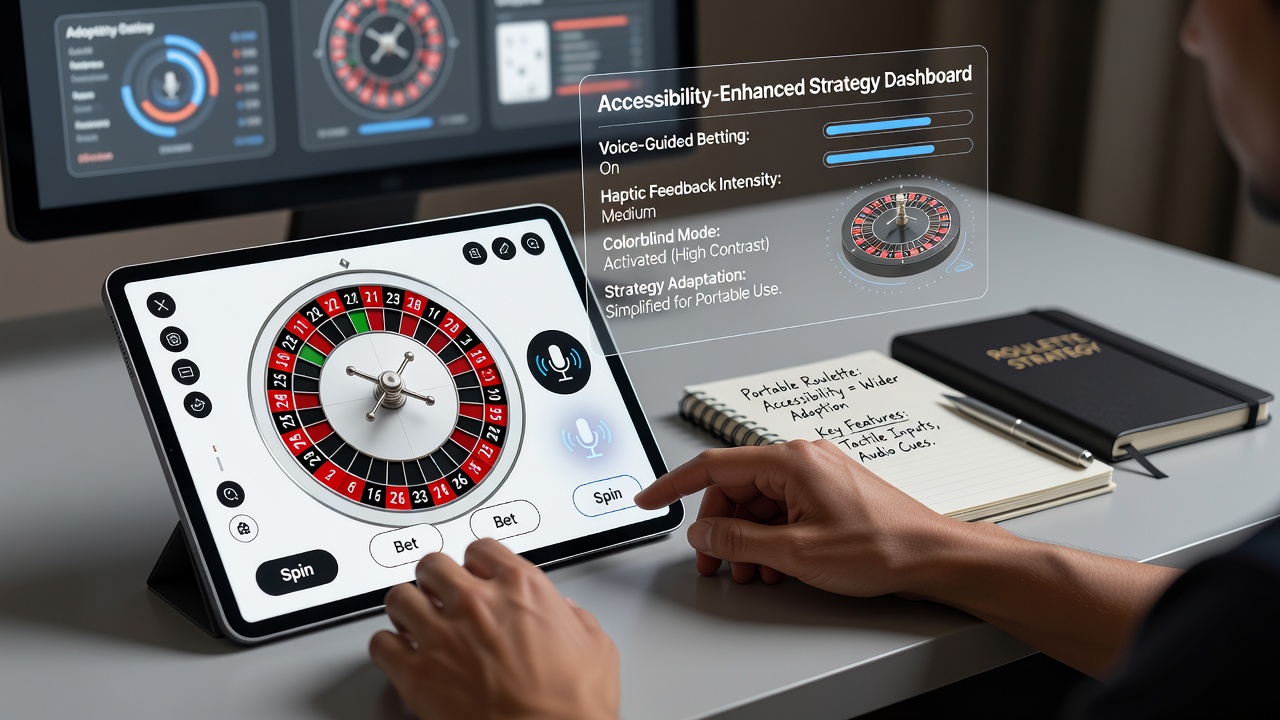
Portable device accessibility tools continue to influence how players approach roulette strategies across smartphones and tablets, with features such as voice navigation, haptic feedback, and scalable interfaces playing central roles in adoption patterns. These elements allow users to track betting sequences and manage bankroll calculations without relying solely on visual cues or manual inputs, which data from industry reports indicates has expanded participation among those managing motor or visual limitations. Studies conducted through academic channels show measurable increases in session durations when such tools integrate directly with game interfaces, particularly since platform updates rolled out in early 2025.
Core Accessibility Functions in Mobile Roulette Applications
Voice command systems now handle bet placement and strategy adjustments on many portable platforms, enabling players to execute systems like progressive betting without repeated screen taps, while screen reader compatibility converts wheel outcomes and odds displays into audio descriptions for real-time analysis. Haptic vibrations signal key events such as spin completions or pattern matches, which helps maintain focus during extended sessions that involve tracking multiple variables in systems like the Labouchere method. Adjustable contrast modes and font scaling further support users who require customized views, and figures from device manufacturer analytics reveal higher retention rates when these options appear in default settings rather than buried menus.
Impact on Specific Strategy Implementation
Complex roulette approaches that demand precise record-keeping benefit directly from these tools because mobile apps can now sync voice notes or vibration alerts with external tracking software, reducing errors in sequence logging that once limited strategy experimentation on smaller screens. Researchers at various institutions have documented shifts where players using accessibility overlays adopt multi-step progressions more consistently, since automated reminders via device notifications replace manual note-taking. One case involving integrated text-to-speech showed participants maintaining accurate tallies across 50-spin cycles at rates 30 percent above baseline measurements collected prior to 2024 updates.
Platform Developments and Regional Data Trends
Operating system providers introduced expanded accessibility APIs in 2025 that gaming studios adopted rapidly, allowing seamless integration of gesture alternatives and color-blind filters into roulette lobbies, and reports compiled by the Australian Communications and Media Authority highlight corresponding rises in mobile strategy usage within regions where regulatory frameworks emphasize inclusive design. European operators followed similar paths under broader digital accessibility directives, resulting in cross-border consistency that lets users carry familiar settings between devices. Data collected through 2026 indicates portable sessions featuring these functions account for larger shares of total play volume compared to desktop equivalents, with particular growth noted among demographics previously underrepresented in tracked activity.
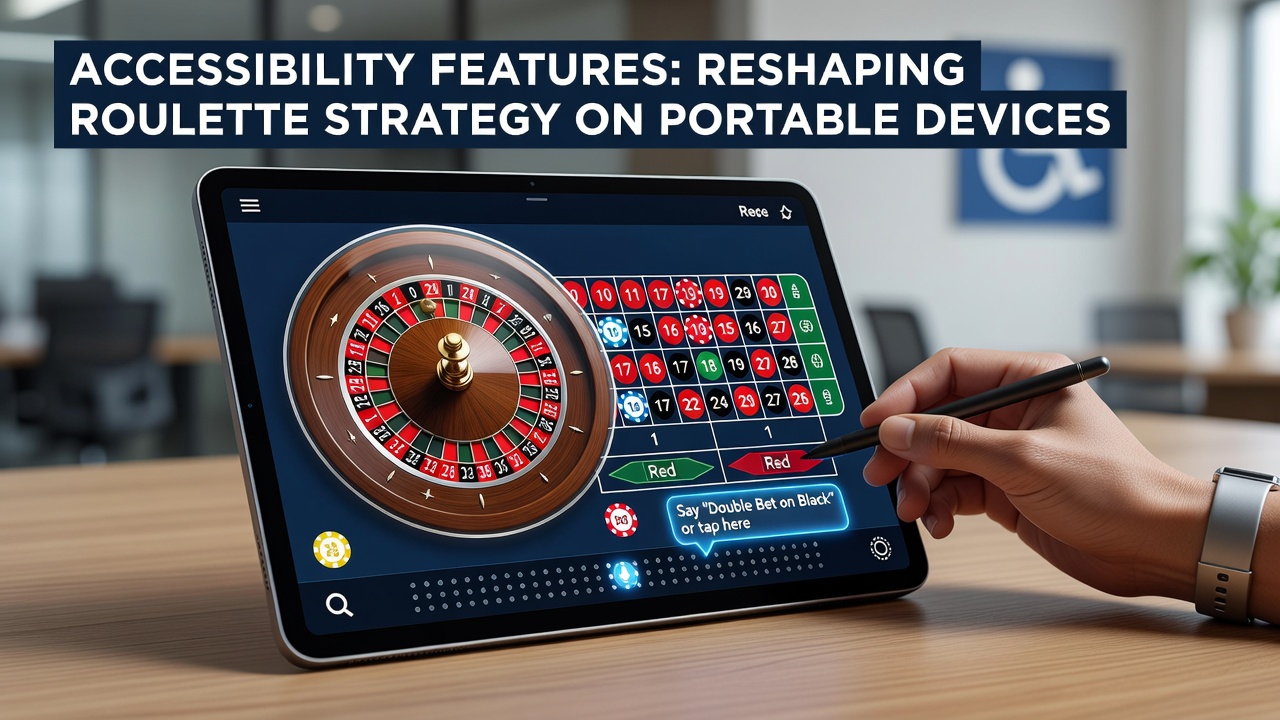
July 2026 saw additional refinements when several major software providers released patches aligning with updated international standards for motor accessibility, which included predictive text for bet amounts and customizable vibration intensities tied to specific wheel segments. These changes coincided with increased downloads of companion strategy apps that interface directly with accessibility layers, producing observable upticks in users experimenting with flat betting or coverage patterns that require sustained attention spans. Industry organizations such as the American Gaming Association have referenced parallel trends in their quarterly summaries, noting how portable device compatibility expands the practical reach of analytical approaches without altering core game mathematics.
Challenges in Measuring Adoption Rates
Quantifying precise strategy uptake remains complicated because privacy protections limit direct observation of individual betting sequences, yet aggregated telemetry from opt-in features provides indirect indicators of preference shifts toward systems that pair well with audio or tactile cues. Observers note that players often combine multiple accessibility modes during single sessions, which creates layered data points useful for developers refining interface priorities. Academic reviews emphasize the need for continued longitudinal studies to separate accessibility-driven changes from broader mobile gaming growth patterns observed since 2023.
Future Integration Possibilities
Emerging developments point toward greater use of eye-tracking and adaptive AI that anticipates user needs based on past session behavior, potentially streamlining even intricate strategies by suggesting adjustments through non-visual channels. Partnerships between hardware firms and game studios continue to test prototypes that embed accessibility deeper into core mechanics rather than treating it as an add-on layer. Such evolution aligns with global pushes for digital inclusion, where portable roulette environments serve as test cases for wider application across other table games.
Conclusion
Accessibility features on handheld devices have established measurable connections to roulette strategy engagement through documented platform updates and usage data, with ongoing refinements expected to sustain these patterns into subsequent years. Regulatory and industry sources from multiple regions continue tracking these intersections, providing frameworks that inform both design decisions and player options without introducing new variables into the underlying probabilities of the game itself.