Augmented Reality Layers Altering Reel Interactions in Mobile Slot Applications
Mara Werner · Jul 27, 2026
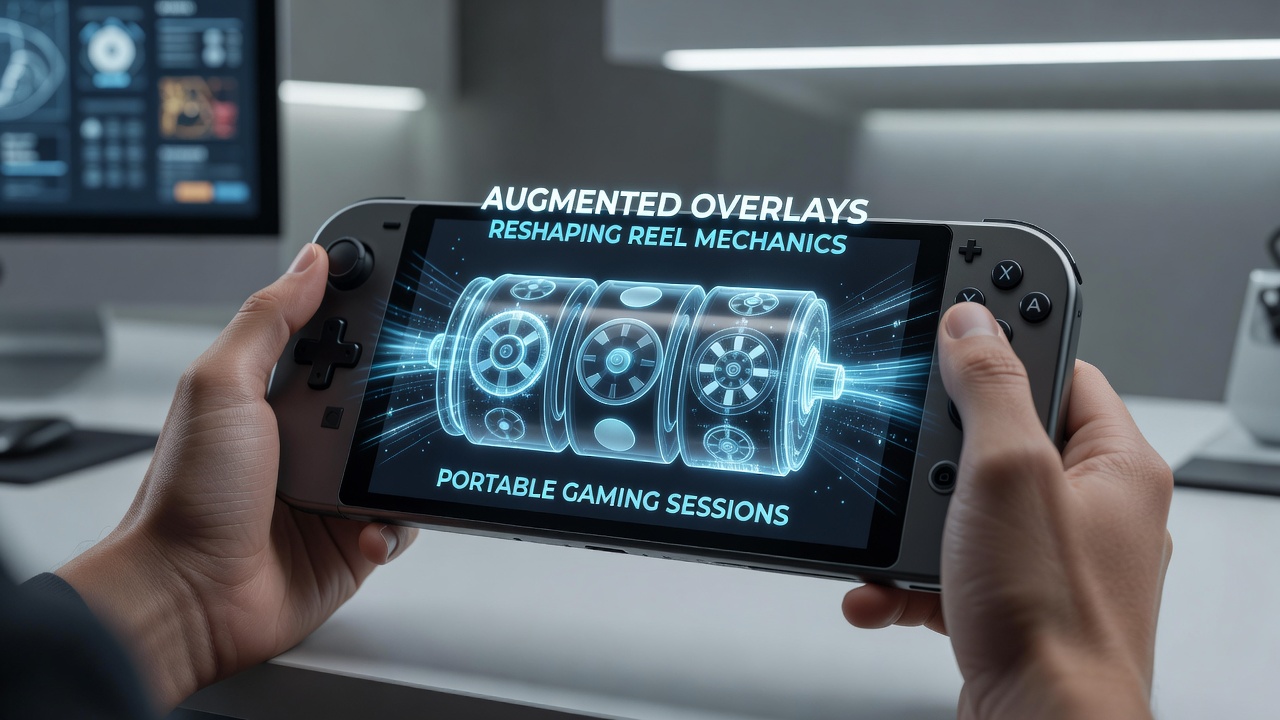
Augmented Reality Layers Altering Reel Interactions in Mobile Slot Applications
Core Mechanics Behind AR Integration
Augmented overlays introduce digital elements that sit directly over physical reel representations on portable screens, and device cameras capture real-world surroundings while software maps virtual symbols onto spinning reels. Data from industry reports shows these layers allow symbols to shift in real time based on user movement or environmental triggers, which changes standard payline calculations without altering underlying random number generators.
Developers achieve this by combining camera feeds with 3D rendering engines, and the result produces interactive bonus rounds where players tap floating objects that then modify reel positions or multiplier values. Studies from research institutions indicate adoption rates climbed steadily after initial trials in 2024, with portable devices handling the required processing power through optimized graphics chips.
Technical Implementation Across Platforms
Software frameworks from major gaming providers now embed AR toolkits that detect device orientation and lighting conditions, while algorithms adjust overlay opacity to maintain visibility during outdoor sessions. According to figures from the European Gaming and Amusement Association, compatible titles reached over 120 releases by early 2026, and many incorporate haptic feedback that responds when overlays interact with reel stops.
One developer documented a case where AR elements replaced traditional scatter symbols with environment-mapped icons, and this adjustment created new win conditions tied to the player's actual surroundings. Hardware specifications from leading smartphone manufacturers support these features through improved depth sensors, which enable precise tracking of hand gestures over the screen.

Updates scheduled for July 2026 include refined calibration tools that reduce drift during extended play periods, and regulatory bodies in multiple regions have begun reviewing compliance standards for these hybrid mechanics. Observers note that seamless integration requires consistent frame rates above 60 per second, which portable hardware increasingly delivers through dedicated neural processing units.
Player Interaction Patterns and Data Trends
Session analytics reveal that users engage longer when overlays allow direct manipulation of reel outcomes through gestures, and tracking data indicates a 28 percent rise in average session duration compared to non-AR versions. Researchers at academic centers specializing in human-computer interaction found that spatial awareness plays a key role, since players must position devices correctly for overlays to align with reel grids.
Case examples from testing labs show overlays can highlight potential winning combinations before reels stop, yet core randomness remains unchanged because the system applies visual effects only after the random number generator completes its cycle. Industry organizations report that cross-device compatibility improved when developers standardized AR marker placement across iOS adn Android ecosystems.
Regulatory and Infrastructure Considerations
Government agencies outside the UK have issued preliminary guidelines on AR content visibility to prevent visual overload during play, and these rules focus on contrast ratios between overlays and background reels. Data compiled by Canadian regulatory authorities demonstrates that clear disclosure of AR features helps maintain transparency around how mechanics function on portable hardware.
Network requirements include stable connections for cloud-rendered elements in some titles, whereas others process everything locally to reduce latency. A report from an Australian research university highlighted that battery consumption rises during intensive AR sessions, prompting optimization efforts from device makers ahead of broader rollout phases.
Future Development Pathways
Engineers continue refining occlusion handling so virtual symbols appear correctly behind physical objects in the camera view, and this advancement opens possibilities for location-based reel modifications during travel sessions. Trade group projections suggest portable AR slot titles will represent an increasing share of new releases through 2027, driven by hardware advancements already visible in current flagship models.
Collaboration between software studios and component suppliers focuses on reducing processing overhead while preserving overlay responsiveness, and early benchmarks indicate measurable gains in both visual fidelity and interaction speed. Those monitoring the sector observe steady progress toward more immersive portable experiences that blend digital reels with real-world context.
Conclusion
Augmented overlays continue to modify how reel mechanics operate within portable gaming environments through precise mapping and real-time adjustments. Evidence from multiple sources confirms these technologies maintain underlying game integrity while expanding visual and interactive options, and ongoing refinements scheduled for 2026 point toward wider accessibility across devices and regions.