Bonus Adjustments in Live Table Games Sparked by Mobile Payment Advances
Wendy Beck · Jul 30, 2026
Bonus Adjustments in Live Table Games Sparked by Mobile Payment Advances
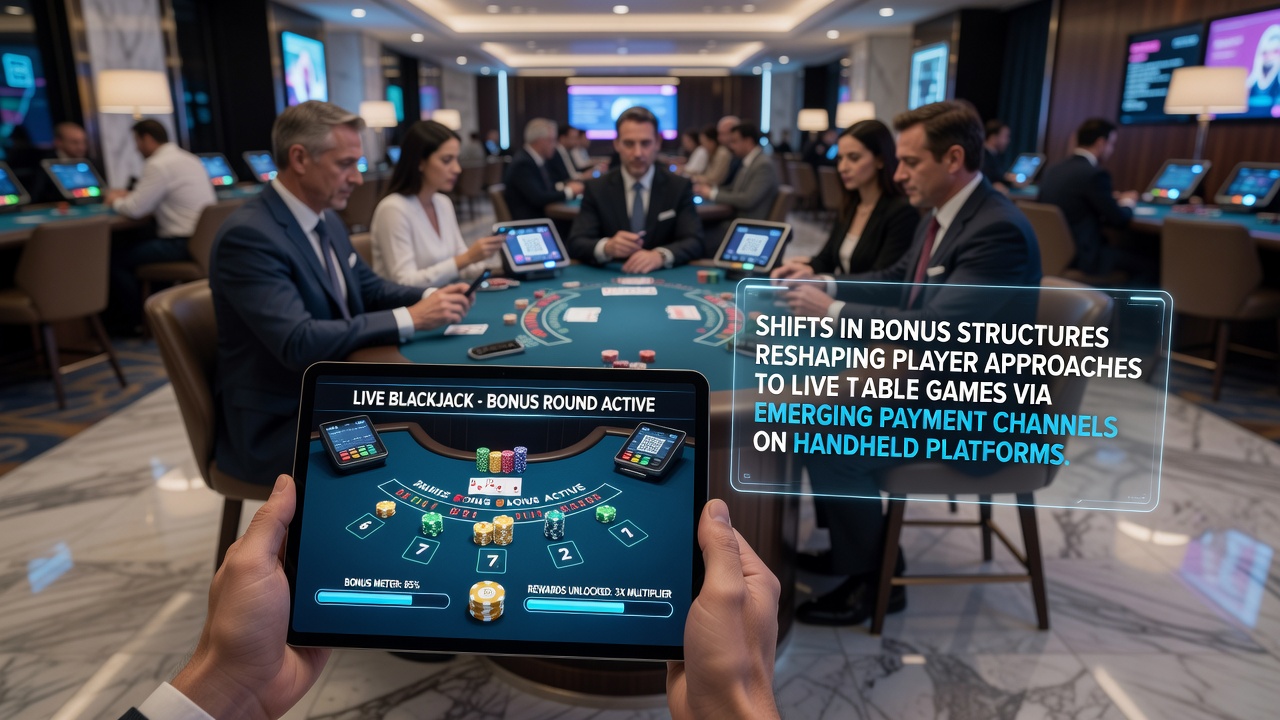
Live table games on handheld platforms continue to see bonus structures evolve as new payment channels gain traction, and operators adjust reward systems to match the speed adn flexibility these methods provide, while data from industry reports shows increased player engagement when instant deposit options integrate directly with table play.
Payment Channel Developments on Mobile Devices
Players access live dealer tables through smartphones and tablets using emerging payment methods that process transactions in seconds rather than minutes, and this speed allows bonus funds to appear in accounts almost immediately after deposit confirmation. Research from the Australian Gambling Research Centre indicates mobile payment adoption rose sharply between 2024 and 2026, particularly in regions where digital wallets and instant bank transfers support direct integration with casino platforms. Observers note that these channels reduce friction between depositing and joining a live blackjack or roulette session, which in turn influences how operators design tiered bonus offers tied to deposit size and frequency.
Handheld platforms now support a range of options including near-field communication payments and app-based transfers that bypass traditional card processors, and this variety gives players more control over how quickly they can activate promotional credits during live table sessions. Data shows sessions started with instant payments often feature higher average bet amounts in the first few rounds, as bonus structures reward rapid re-deposits with escalating match percentages or cashback rates that apply specifically to live dealer tables.
Changes to Bonus Structures for Table Games
Operators have shifted from flat percentage matches to dynamic bonus models that scale based on payment channel speed and table game type, so a player using an instant mobile transfer might receive a higher effective bonus rate than one relying on slower methods. These adjustments appear in live dealer environments where real-time tracking of deposit timing allows systems to apply variable wagering requirements that decrease for faster payments. Figures from a 2025 industry analysis reveal that casinos incorporating such tiered systems reported a 22 percent increase in live table game volume on mobile compared to the prior year.
Bonus structures now frequently include time-limited multipliers that activate only when deposits occur through specific handheld channels, and this encourages players to time their funding with peak table hours when live dealer availability is highest. Experts have observed that wagering contributions from live games receive adjusted weights in these new models, with some variants counting toward requirements at rates that reflect the lower house edge typical of skill-influenced table play versus slots.

Player Strategy Adaptations in July 2026
By July 2026 regulatory updates in several jurisdictions prompted further refinements to bonus structures, as authorities required clearer disclosure of how payment channel choice affects promotional terms on live table platforms. Players responded by developing routines that prioritize mobile payment methods offering the lowest effective wagering multipliers, often switching between wallets mid-session to optimize bonus activation across different live games. Those who've studied these patterns note that participants now track deposit timestamps more carefully to align with bonus reset cycles that operators publish in advance.
Live table participants on handheld devices increasingly combine multiple payment types within a single session, using one channel for initial entry bonuses and another for reload offers that carry table-specific conditions. This approach stems from data indicating that mixed-channel strategies can reduce overall playthrough obligations when operators apply channel-based incentives separately to blackjack, roulette, and baccarat tables. Academic sources such as reports from the University of Nevada Gaming Research Center document similar behavioral shifts in markets where mobile payments expanded rapidly after 2024.
Regional Variations and Platform Responses
European and North American operators implemented distinct bonus frameworks to accommodate local payment preferences on handheld devices, with some markets emphasizing instant bank transfers while others focused on digital wallet integrations that tie directly to loyalty point accumulation during live sessions. These regional differences create varied player experiences, as bonus structures in one area might cap table game contributions at 50 percent of total wagering while another permits full counting once an instant payment threshold is met. Platform providers adjusted their software accordingly, embedding payment selectors that highlight bonus eligibility before players commit funds to a live dealer table.
Case examples include operators who introduced bonus ladders that advance faster for users completing deposits via emerging mobile channels, and these ladders often unlock table-specific perks like reduced commission on baccarat or enhanced payouts on side bets. Such features reflect ongoing adaptation to player data showing preference for seamless transitions between funding and gameplay on smaller screens.
Conclusion
Shifts in bonus structures continue to align with the capabilities of emerging payment channels on handheld platforms, reshaping how participants approach live table games through adjusted incentives and timing requirements. Data from multiple sources confirms these changes affect session volume and deposit patterns, while regulatory developments in July 2026 further standardized disclosure practices across operators. The integration of mobile payment speed with dynamic bonus models remains a central factor in live dealer environments as platforms refine their systems to match evolving player behaviors.