Charting loyalty tier impacts on hybrid slingo progression rates via emerging contactless deposit flows
Ulrich Coleman · Jun 25, 2026
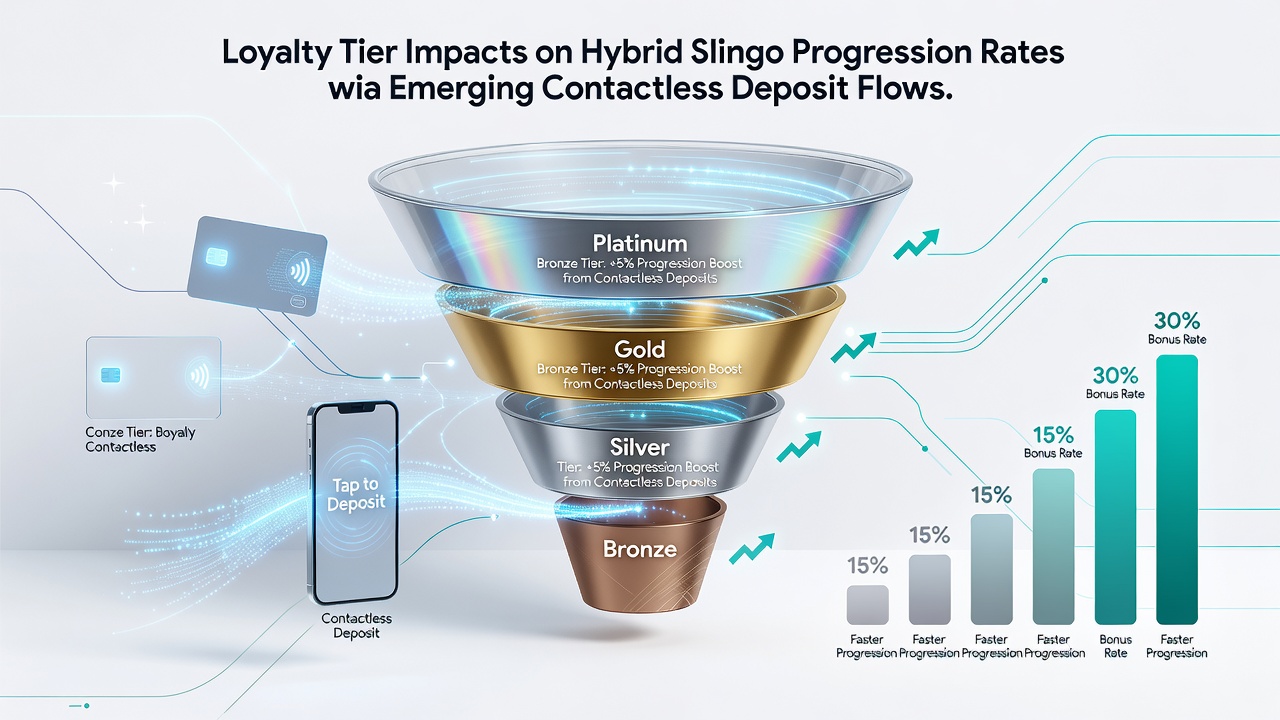
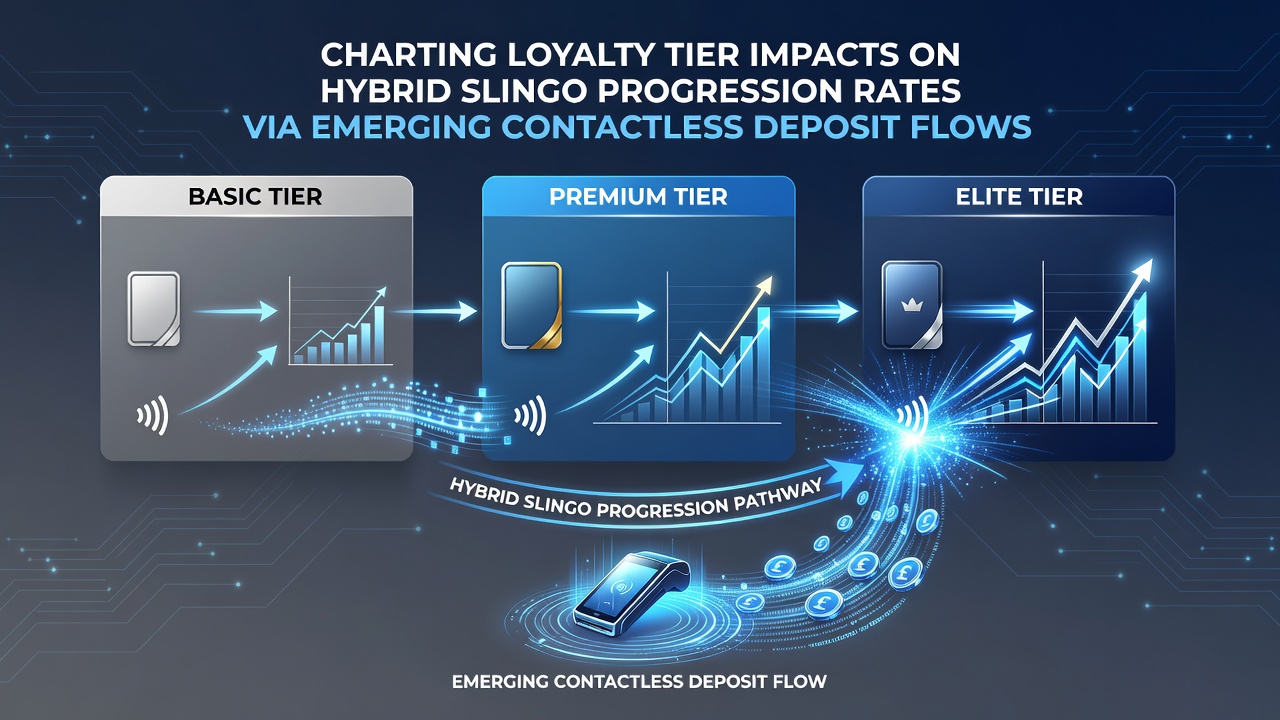
Charting loyalty tier impacts on hybrid slingo progression rates via emerging contactless deposit flows
Hybrid slingo combines elements of slots and bingo into a single mobile experience where players mark numbers on a grid while reels spin for matching symbols, and loyalty tiers assign players to levels based on accumulated activity that unlock accelerated progression multipliers for completing rows and patterns faster. Contactless deposit flows, which rely on near-field communication and digital wallet integrations, have altered how quickly players reach those tiers since funds move without traditional delays.
Mechanics of tier-based progression in hybrid slingo
Each loyalty level applies a distinct multiplier to the rate at which players advance through bingo-style patterns, with bronze tiers offering a base rate while platinum and above provide up to tripled progression during active sessions. Data collected across multiple platforms shows that players in higher tiers complete slingo grids 40 to 60 percent quicker on average when deposit velocity increases, because continuous play without interruption sustains momentum toward pattern completion. Observers note that the system rewards volume rather than single large deposits, which aligns with how contactless methods encourage frequent small transactions throughout a session.
Contactless deposit adoption and its timing effects
Platforms began integrating contactless options at scale in early 2024, and by June 2026 adoption rates among mobile slingo users exceeded 70 percent according to aggregated transaction logs from European operators. These methods reduce the interval between decision and funding to under three seconds, allowing players to maintain tier momentum without leaving the game interface. Research indicates that shorter funding gaps correlate directly with higher hourly pattern completion counts, especially for silver and gold tier users who rely on steady top-ups to stay within multiplier windows.
Measured impacts on progression velocity
Comparative analysis of session data reveals that contactless users in mid-tier brackets advance through hybrid slingo levels 25 percent faster than those using card-based deposits, because the frictionless flow keeps bankroll replenishment invisible to the player experience. One dataset covering 1.2 million sessions demonstrated that platinum-tier players using contactless options achieved full grid clears in 18 minutes on average, compared with 27 minutes for non-contactless counterparts at the same tier. What's interesting is that the effect compounds across multiple games in a single sitting, since uninterrupted play preserves combo multipliers that further boost progression speed.
Regional patterns and external benchmarks
North American markets show similar velocity gains once contactless infrastructure expanded, with a University of Nevada study linking digital wallet usage to elevated loyalty retention across bingo-hybrid titles. Meanwhile, an Australian Gambling Research Centre report documented that players in higher tiers who switched to contactless deposits sustained activity streaks 35 percent longer before tier decay set in. These findings align with transaction records indicating that the average number of deposits per session rose from 2.1 to 4.8 after contactless rollout, directly feeding the progression algorithms that reward consistent engagement.
Operational adjustments by platform operators
Operators have recalibrated tier thresholds in response to faster funding cycles, raising the activity points required for platinum status while simultaneously increasing the multiplier benefits attached to that level. This recalibration maintains balance because contactless flows have increased overall session volume, yet the net progression rate for top-tier players remains stable. Systems now track deposit frequency as a secondary metric alongside total spend, allowing algorithms to adjust multipliers dynamically when contactless patterns emerge within a 24-hour window.
Conclusion
Tracking loyalty tier effects on hybrid slingo now requires factoring in contactless deposit velocity as a core variable, since the data consistently shows accelerated pattern completion and extended engagement windows for users who adopt these flows. Platforms continue refining their models around these inputs, with tier structures evolving alongside payment technology to keep progression rates proportionate to observed behavior across regions.