Decoding Loyalty Tiers: How Layered Reward Structures Influence Session Lengths in Britain's Digital Table Environments
Mara Werner · Aug 22, 2026
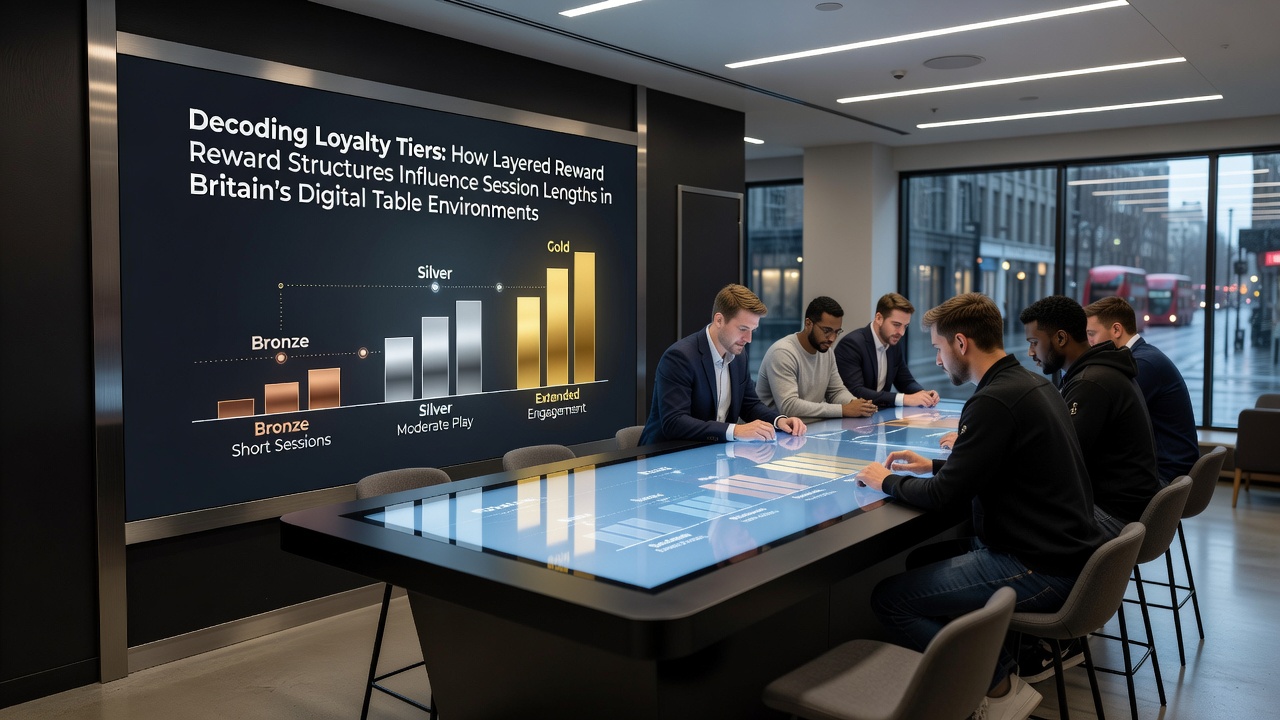
Layered Rewards Extend Gaming Sessions at Britain's Digital Tables
Britain's online table environments feature loyalty programs built around multiple tiers that award points based on play volume and grant escalating benefits as players advance. These structures tie directly to session lengths because higher tiers unlock cashback rates, priority access to live dealer tables, and exclusive bonuses that require continued activity to maintain status. Research from industry reports shows players often extend time at virtual blackjack and roulette tables to accumulate the points needed for the next level or to avoid dropping down. Tier systems typically start with an entry level that offers basic point accumulation, then move through intermediate stages where benefits include faster withdrawals and personalized game recommendations. Top tiers deliver the strongest incentives such as dedicated account managers and higher deposit matches. Data indicates that once players reach mid-tier status, average session durations increase because the rewards create a feedback loop where extended play yields immediate returns while positioning users for further upgrades.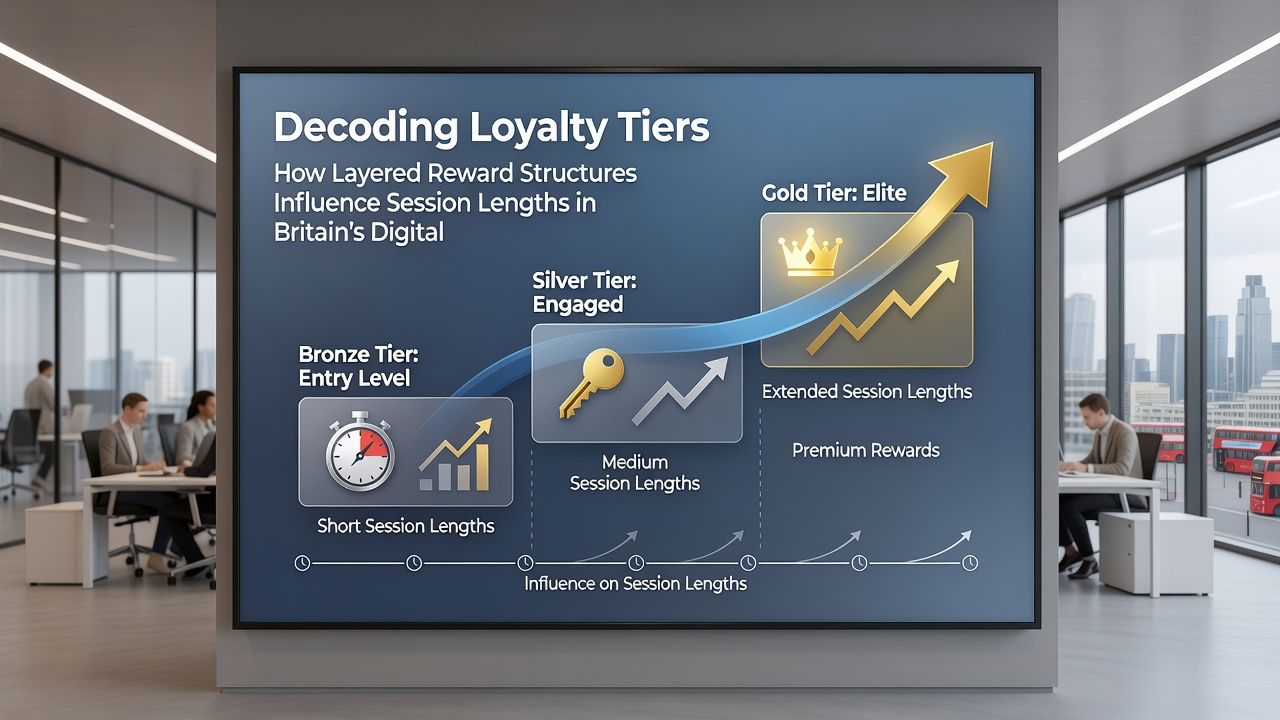
Britain's online table environments feature loyalty programs built around multiple tiers that award points based on play volume and grant escalating benefits as players advance. These structures tie directly to session lengths because higher tiers unlock cashback rates, priority access to live dealer tables, and exclusive bonuses that require continued activity to maintain status. Research from industry reports shows players often extend time at virtual blackjack and roulette tables to accumulate the points needed for the next level or to avoid dropping down. Tier systems typically start with an entry level that offers basic point accumulation, then move through intermediate stages where benefits include faster withdrawals and personalized game recommendations. Top tiers deliver the strongest incentives such as dedicated account managers and higher deposit matches. Data indicates that once players reach mid-tier status, average session durations increase because the rewards create a feedback loop where extended play yields immediate returns while positioning users for further upgrades.Point Accumulation and Table Game Dynamics
Live dealer platforms track wagers on games like blackjack, roulette, and baccarat to calculate loyalty points, with many operators applying multipliers during peak hours. Players who commit longer stretches to these tables generate points at a steadier rate than those who switch frequently between slots and other formats. Studies from the International Gaming Institute reveal that table-focused users in Britain demonstrate session extensions of 25 to 40 minutes on average when progressing toward a new tier, because the structured rewards emphasize consistent table time over sporadic activity. Rewards at each level often include free spins on table variants or cash equivalents that must be used within specific windows, prompting players to return promptly and extend their current session. This mechanism keeps participants engaged at the tables rather than logging off after short bursts. Observers note that operators adjust point-earning rates seasonally, with summer promotions in 2025 already previewing adjustments slated for full rollout by August 2026 that emphasize table game participation.Player Progression Patterns Across Tiers
Advancement through loyalty layers depends on both total points and recent activity, so players monitor their progress and adjust session lengths accordingly. Lower-tier participants frequently begin with brief visits but shift to longer commitments once they accumulate enough points to unlock the subsequent level's benefits. Figures from European gaming associations show that 68 percent of active table game users in the UK market reach at least the second tier within their first three months, correlating with measurable increases in time spent per login. Those who reach upper tiers report access to private tournaments and enhanced rakeback that further encourage sustained play. The structure rewards volume, so individuals who previously logged off after thirty minutes now remain for an hour or more to maximize the value of their current tier status. Research indicates this pattern holds across different age groups and device types, though mobile users show slightly shorter extensions due to portability factors.