Digital Wallets Reshaping Roulette Approaches in Mobile Live Dealer Sessions
Wendy Beck · Oct 28, 2026
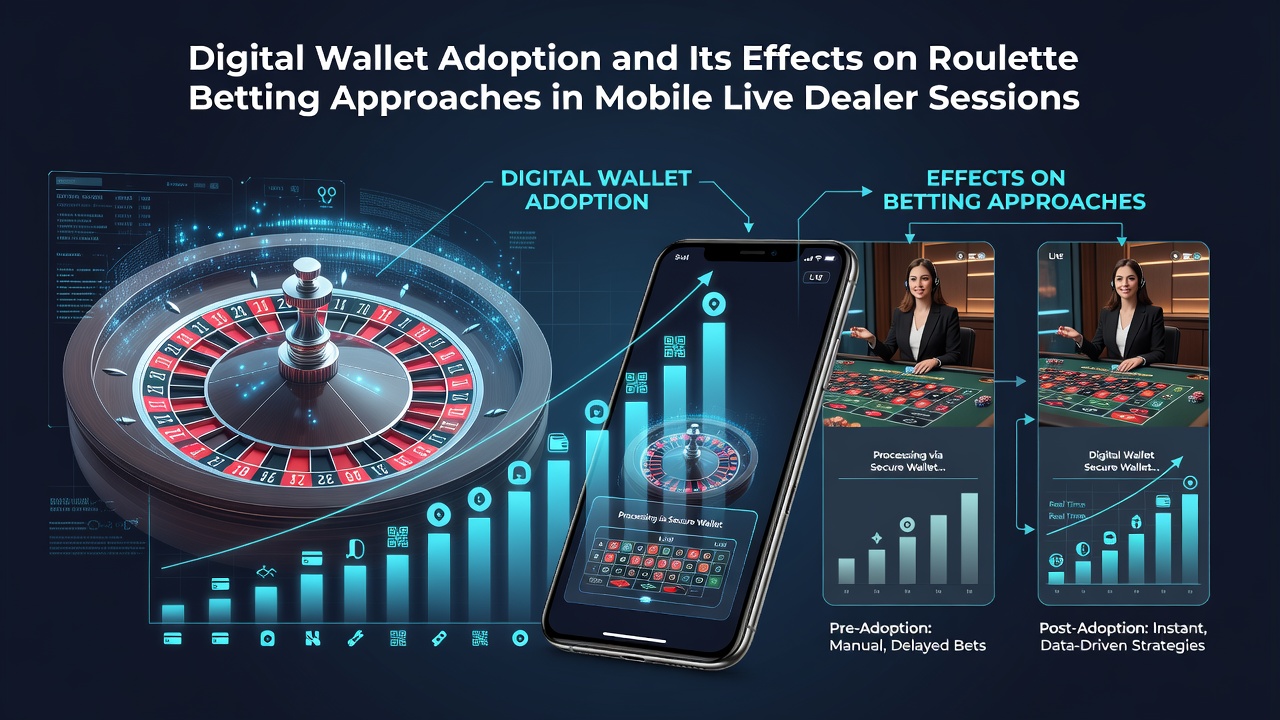
Digital Wallets Reshaping Roulette Approaches in Mobile Live Dealer Sessions
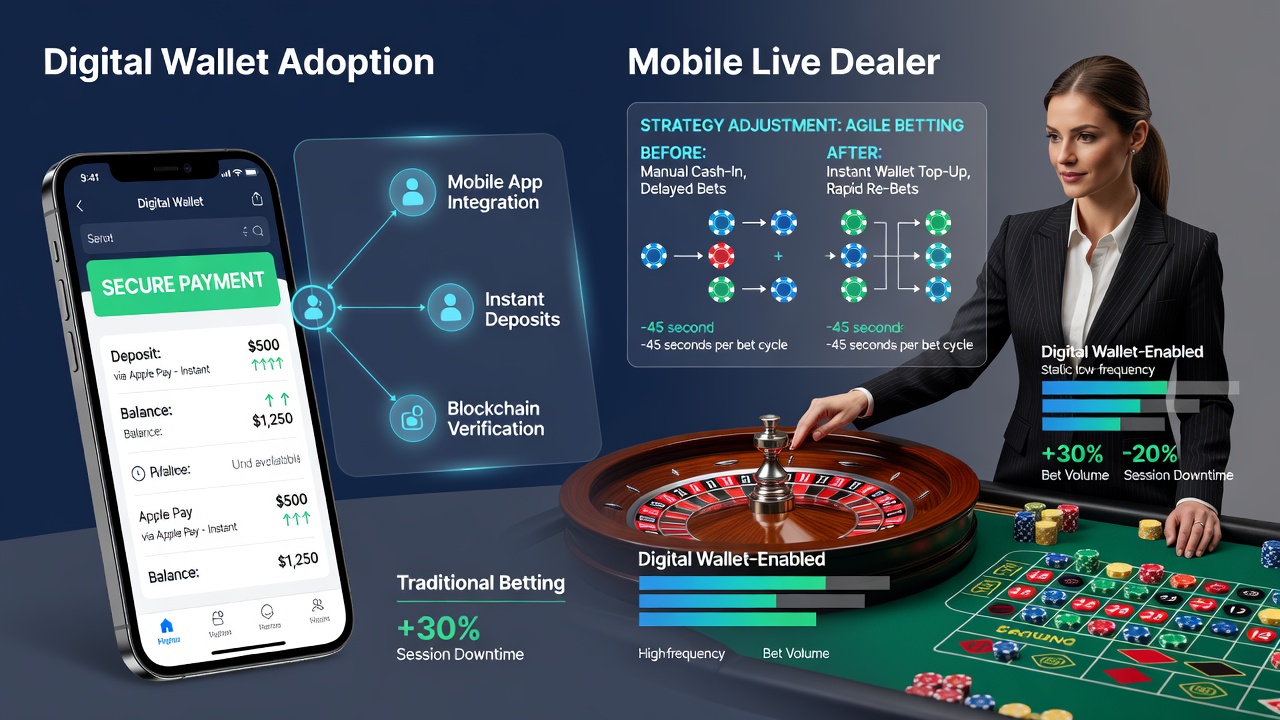
Digital wallet adoption has accelerated across mobile gambling platforms since 2023, with transaction data indicating that users now complete deposits in under 10 seconds compared to the 45-second average recorded for traditional card methods in earlier years, and this speed has begun altering how players structure their roulette wagers during live dealer sessions.
Adoption Patterns Across Mobile Platforms
Industry figures reveal that digital wallet usage in online gaming reached 62 percent of total deposits by mid-2025 according to aggregated reports from multiple operators, while observers note that regions such as parts of Europe and North America show even higher penetration rates because local payment regulations support instant transfers without additional verification layers. Researchers tracking these trends point out that wallets like Apple Pay and Google Pay now account for the majority of mobile roulette funding, and this shift coincides with the expansion of 5G networks that reduce latency during live dealer streams.
Those monitoring player behavior have documented a rise in session frequency, with average play time per user increasing by 18 percent in wallet-enabled accounts, whereas the same studies show no comparable growth among players relying on bank transfers or prepaid cards. Data from regulatory bodies in Australia further supports these observations, indicating that wallet-linked sessions often feature more fragmented betting intervals because users can reload balances without leaving the app interface.
Changes in Roulette Betting Tactics
Live dealer roulette tables have seen measurable adjustments in wager sizing and timing since wallet integration became widespread, and analysts attribute part of this evolution to the removal of minimum deposit thresholds that once discouraged small top-ups mid-session. Players now execute single-unit bets more frequently in the opening minutes of a round, then scale upward only after confirming table trends, because the frictionless funding removes the psychological barrier of committing larger sums upfront.
One study released in October 2026 by a Canadian research consortium highlighted that wallet users placed 27 percent more outside bets such as red-black or high-low compared with card-funded sessions, while inside number selections remained relatively stable across both groups. This pattern suggests that the ease of replenishment encourages exploratory play rather than rigid progression systems, and similar findings appear in aggregated operator logs shared with academic partners.
Mobile-Specific Session Dynamics
Live dealer environments on smartphones introduce additional variables that interact directly with wallet functionality, including portrait-mode interfaces that display balance updates in real time and push notifications that prompt reloads when funds drop below a preset threshold. These features have led to shorter but more numerous betting cycles, with users often exiting and re-entering the same table within a single evening rather than maintaining one continuous session.
Experts examining stream analytics report that wallet-funded players respond faster to dealer announcements because they avoid the delay of switching between payment screens, and this responsiveness translates into higher participation rates during bonus rounds or special side bets offered exclusively in live formats. Figures from the European Betting and Gaming Association indicate that such micro-interactions now represent a growing share of total handle on mobile roulette tables.
Regulatory Context and Data Sources
Authorities outside the United Kingdom continue to refine rules around digital payments, and updates expected from multiple jurisdictions by late 2026 may further standardize wallet verification processes across borders. American Gaming Association research already tracks how these changes affect cross-device play, while separate Australian academic reports document corresponding shifts in player segmentation.
Conclusion
The integration of digital wallets into mobile live dealer roulette continues to produce observable modifications in deposit speed, bet frequency, and session structure, and ongoing data collection from operators and research institutions will clarify whether these patterns stabilize or evolve further as network infrastructure and payment regulations advance.