Electronic Payment Trails Leading to Dynamic Symbol Cascades on Touchscreen Platforms
Wendy Beck · May 30, 2026
Electronic Payment Trails Leading to Dynamic Symbol Cascades on Touchscreen Platforms
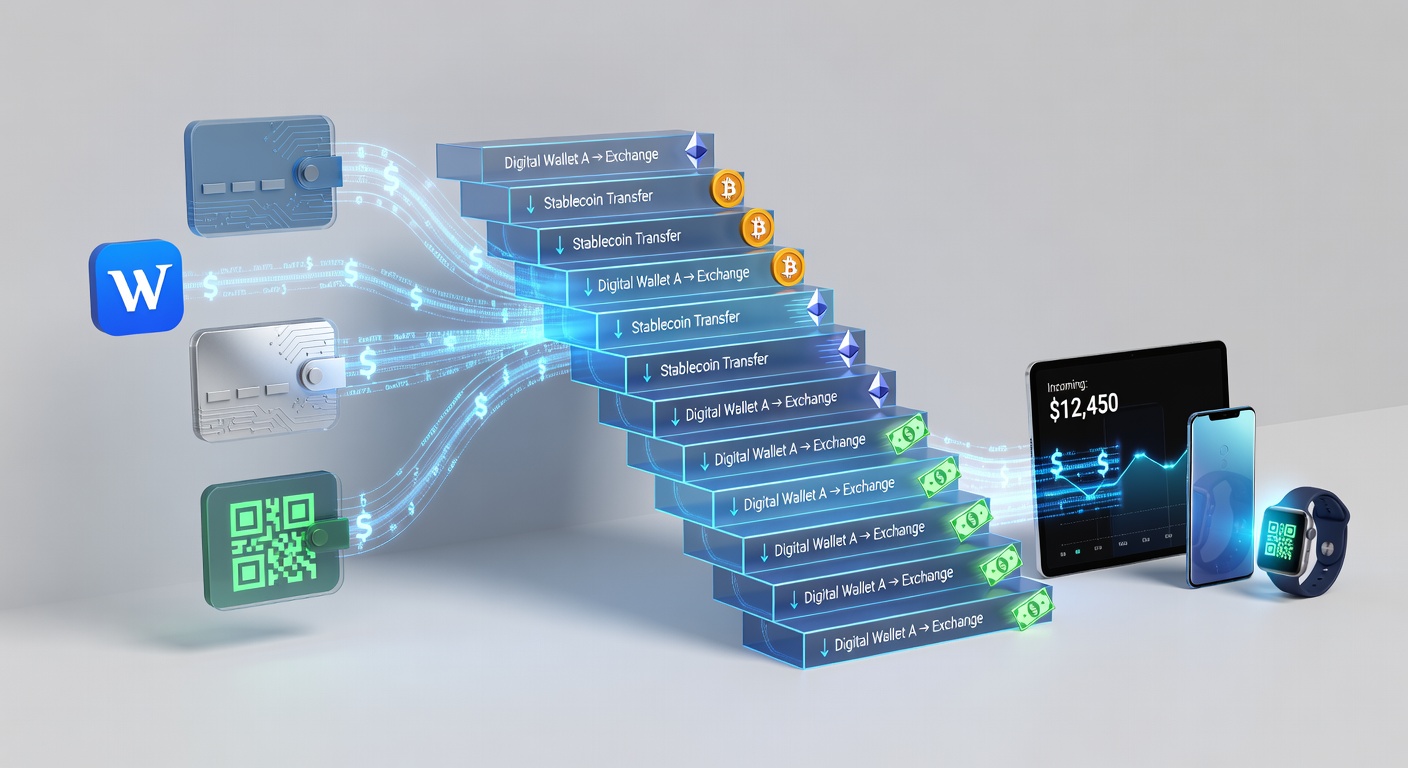
Electronic transfers from digital wallets now feed directly into gaming systems that deploy cascading symbol mechanics on touch-enabled devices, creating traceable pathways that combine payment processing with real-time game logic. Observers note that these connections rely on API integrations where wallet providers authenticate user balances before passing credits into slot engines equipped with chain-reaction features, and developers have refined these links to support instant updates visible on mobile screens.
Data from industry reports shows that mobile sessions featuring cascading symbols account for rising portions of overall play volume, while wallet-based deposits represent the dominant funding method in multiple markets. Researchers at academic institutions have mapped these flows by examining transaction timestamps against game event logs, revealing patterns where a single deposit can trigger multiple cascade sequences within seconds of account crediting. Those who've studied the systems point out that touch gestures, such as swipes and taps, initiate spins that then activate symbol drops, multipliers, and subsequent chain reactions without requiring additional user input beyond the initial command.
Mechanics of Fund Integration with Cascading Features
Payment rails from services such as e-wallets connect to backend servers that allocate funds to player balances, after which the game client on the touch device loads the cascading engine. Studies indicate that this process occurs through encrypted data packets that confirm available credit before rendering the symbol grid, and any subsequent wins from falling symbols adjust the balance in real time. Figures from payment analytics firms reveal average transaction times under three seconds between wallet confirmation and the first cascade opportunity, allowing sessions to maintain continuous momentum on handheld screens.
Software providers have incorporated specific modules that log each cascade event alongside its corresponding bet amount drawn from the wallet-funded balance, creating audit trails useful for regulatory compliance and player analytics. One documented case involved a platform update in early 2025 where developers synchronized wallet APIs with cascade probability engines, resulting in smoother balance reflections during extended chain reactions. Experts have observed that these integrations reduce latency compared with earlier card-based systems, since digital wallets often bypass intermediate clearing steps.
Technical Pathways on Touch Devices
Touch interfaces detect user input through capacitive sensors that register spin commands, sending signals to the game server where the funded balance determines the wager size applied to each cascade sequence. Research indicates that device orientation changes and gesture velocity can influence animation speed of falling symbols, yet the underlying fund allocation remains constant once the initial transfer completes. Developers employ responsive frameworks that scale symbol sizes and cascade timings across screen resolutions, ensuring consistent behavior whether users interact via tablets or smartphones.
Security protocols encrypt the wallet-to-game transfer at multiple layers, preventing interception while permitting the system to track every symbol drop that produces additional wins. According to data compiled by the European Gaming and Betting Association, platforms using these combined technologies recorded increased session durations in markets where touch devices predominate. European Gaming and Betting Association reports highlight that cascade-enabled titles attract higher engagement metrics when funded through digital wallets compared with slower payment alternatives.

Further analysis by university researchers has examined how touch haptics provide feedback during cascades, reinforcing the connection between the funded bet and the unfolding symbol reactions. These studies document that vibration patterns align with win values generated by successive drops, delivering tactile confirmation without interrupting the visual flow on screen.
Market Developments Around May 2026
Projections for May 2026 anticipate expanded adoption of wallet-linked cascade systems as more operators update their mobile platforms to meet evolving device capabilities. Industry data indicates that several providers plan to introduce enhanced tracking features that map individual cascade chains back to specific wallet deposits, aiding both operators and oversight bodies. Observers note that these advancements coincide with broader shifts toward instant payment rails, which reduce friction between funding and gameplay initiation.
Reports from research institutions in North America show parallel trends where touch device penetration continues to rise, supporting more complex cascade animations funded through digital sources. The combination allows players to maintain engagement across multiple cascade rounds without manual balance checks, since the system automatically deducts wagers and credits wins in sequence.
Analytical Benefits of Traceable Flows
Traceability features embedded in these integrated systems enable detailed examination of how funds move through successive symbol reactions, offering insights into player behavior and game performance. Data compiled across platforms demonstrates that cascades triggered shortly after wallet deposits often produce distinct engagement patterns compared with later sequences within the same session. Analysts use this information to refine probability tables that govern symbol drops while preserving the integrity of the original funding source.
Developers have tested additional layers of logging that timestamp each cascade relative to the initial transfer, creating datasets that support responsible gaming tools and operational reviews. Those monitoring these developments report that such granularity helps identify optimal configurations for symbol frequency and multiplier placement on touch interfaces.
Conclusion
Electronic payment trails now integrate tightly with cascading symbol systems on touch devices, forming efficient pathways from wallet authorization to on-screen chain reactions. Evidence from multiple sources shows that these connections rely on precise API timing, responsive design, and secure logging to deliver seamless experiences across markets. As platforms prepare for May 2026 updates, continued refinement of these fund-to-feature links will shape how digital balances translate into dynamic gameplay sequences on portable screens.