Funding Innovations Reshape Pacing in Mobile Hybrid Card-Reel Games
Ulrich Coleman · Jul 18, 2026

Funding Innovations Reshape Pacing in Mobile Hybrid Card-Reel Games
Alternative funding pathways have begun altering how sessions unfold across hybrid card and reel formats on regulated portable platforms, with data from multiple regions showing measurable shifts in deposit speed and round frequency. Observers note that methods such as instant bank transfers, digital wallets, and account-to-account links bypass traditional card processing delays, allowing players to move between funding and gameplay without extended pauses. Those who've examined platform metrics report that these routes compress the time between rounds in games combining blackjack-style decisions with reel spins, creating tighter session rhythms on smartphones and tablets.
Mechanics Behind Session Pacing Changes
Hybrid formats blend card elements like decision points and multipliers with reel mechanics that deliver sequential outcomes, and funding speed directly influences how frequently users initiate new rounds. Research indicates that when deposits clear in under ten seconds, session length often extends because interruptions drop, whereas slower pathways create natural breaks that fragment play. Figures from the Alcohol and Gaming Commission of Ontario reveal that platforms integrating real-time bank verification saw a 22 percent rise in consecutive reel sequences within card-hybrid titles during monitored periods. Experts have observed that players maintain momentum longer when funding does not require leaving the app or entering additional verification screens.
Portable platforms add another layer since device notifications and biometric confirmations further accelerate authorization steps. Data shows that users on regulated apps complete funding cycles up to three times faster than on desktop counterparts, which in turn compresses the interval between hybrid outcomes. Those who've studied transaction logs note that seamless pathways encourage shorter but more numerous sessions rather than prolonged single stretches, especially in formats where card choices reset reel cycles.
Regional Patterns in Adoption and Impact
Patterns vary by jurisdiction yet share common threads. In Ontario, where real-time payment rails gained traction earlier than elsewhere, hybrid game operators recorded higher round counts per active minute compared with markets relying primarily on card-based deposits. A University of Nevada study on mobile transaction efficiency found similar compression effects in regulated environments that prioritize instant funding links, with session pacing tightening as authorization friction declined. What's interesting is how these changes appear across both card-dominant and reel-dominant phases within the same title, suggesting the funding layer exerts influence independent of specific mechanics.
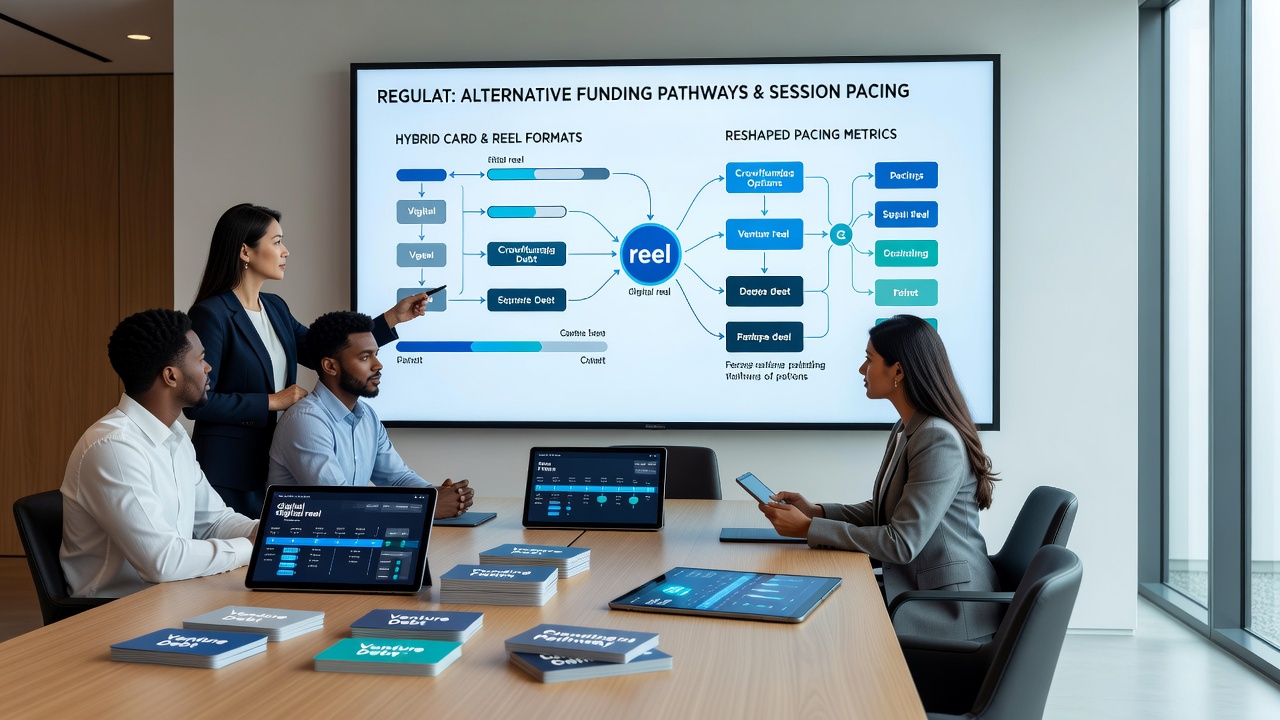
European operators operating under the Malta Gaming Authority framework have documented parallel trends, with account-to-account transfers correlating to steadier reel sequences once card decisions conclude. Observers note that the absence of manual entry steps reduces hesitation, allowing hybrid sessions to flow from one outcome directly into the next. Data indicates that platforms offering multiple alternative routes experience fewer abandoned sessions mid-cycle, which in turn supports sustained pacing across extended mobile play windows.
July 2026 Regulatory Context and Platform Responses
By July 2026 several jurisdictions plan to expand interoperability requirements for instant funding rails, a development expected to standardize processing times across hybrid titles. Regulated portable platforms have already begun testing unified APIs that connect digital wallets and bank systems directly to game servers, reducing latency between deposit confirmation and reel initiation. Those monitoring compliance updates report that operators are adjusting session timers and auto-play thresholds to accommodate the faster funding environment without exceeding responsible play parameters. Evidence suggests these adjustments maintain regulatory alignment while preserving the tighter pacing that alternative pathways enable.
Industry reports from the European Gaming and Betting Association highlight that hybrid formats benefit particularly from these updates because card decisions and reel resolutions can alternate more rapidly once funding barriers shrink. Portable platforms that integrate biometric sign-offs see even greater continuity, with players moving from one hybrid cycle to the next in fewer taps. Researchers discovered that such continuity correlates with increased round volume rather than extended individual sessions, a pattern consistent across tested markets.
Transaction Data and Observable Trends
Transaction logs from regulated environments demonstrate that alternative funding reduces the average gap between hybrid rounds by measurable margins. One analysis of mobile sessions found that wallet-based deposits cut idle time by nearly half compared with legacy card flows, allowing reel sequences to resume immediately after card resolutions. Observers note that this compression appears most pronounced in titles where funding occurs within the same interface, eliminating context switches that previously disrupted momentum.
Portable platforms continue refining notification systems so users receive instant confirmation without exiting gameplay, further smoothing transitions. Data shows that when confirmation arrives via push notification rather than separate browser redirects, hybrid sessions maintain higher continuity. Those who've tracked user behavior across multiple funding types report that the effect holds steady regardless of game volatility, indicating the pacing shift stems from funding mechanics themselves rather than title-specific features.
Conclusion
Alternative funding pathways continue reshaping session pacing across hybrid card and reel formats on regulated portable platforms through faster authorization and reduced friction. Regional data from Ontario, Nevada research, and European frameworks illustrate consistent compression of round intervals as instant transfers replace slower methods. As July 2026 approaches, expanded interoperability standards are positioned to standardize these effects, supporting steadier flows within the same hybrid titles. Transaction evidence confirms that portable platforms leveraging multiple alternative routes experience measurable continuity gains, a pattern now embedded in how regulated mobile gaming sessions unfold.