Global Networks Connect Jackpot Systems Across Borders to Increase Rewards in Licensed Online Gaming Markets
Olivia Koch · Jul 23, 2026
Global Networks Connect Jackpot Systems Across Borders to Increase Rewards in Licensed Online Gaming Markets
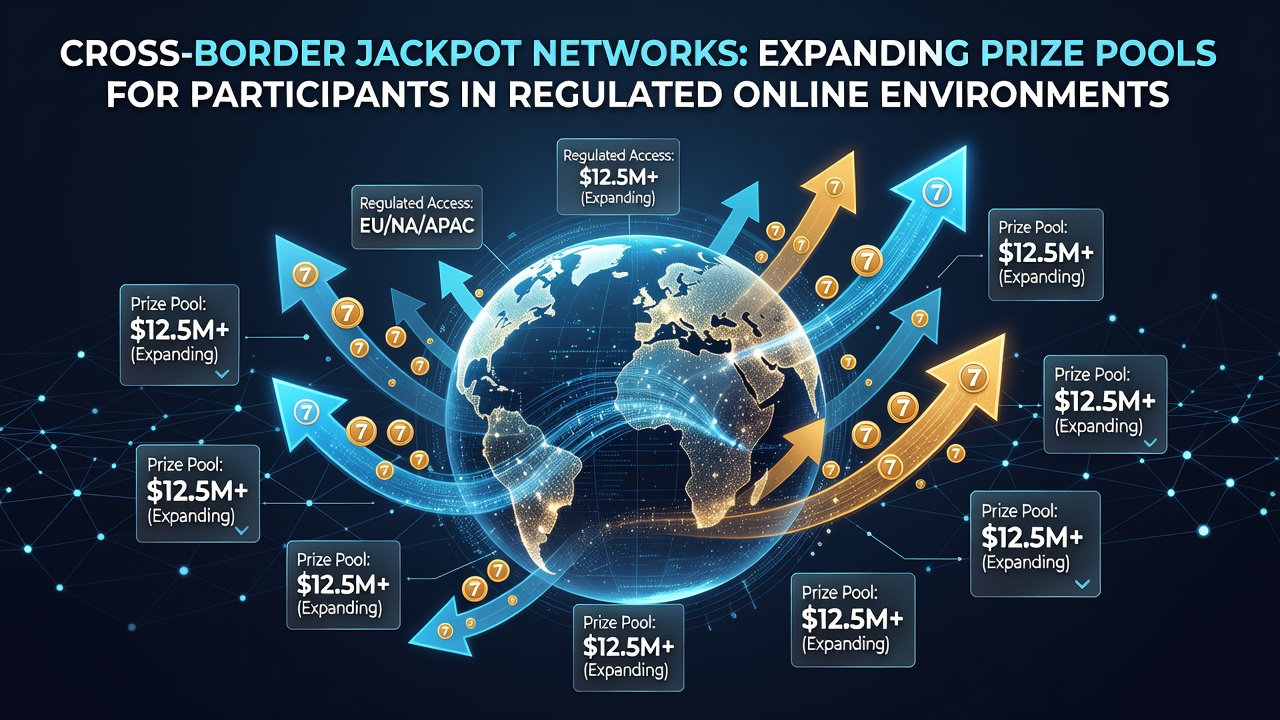
Cross-border jackpot networks operate by linking progressive prize pools from multiple licensed operators in different countries so that contributions from players in one region feed into a shared pool that can be won by participants anywhere in the network. These arrangements rely on technical agreements between software providers, payment processors, and regulatory bodies to ensure compliance with each jurisdiction's rules while allowing the prize to grow faster than any single market could achieve alone. Data from industry reports shows that such networks have expanded significantly since 2023 with several major providers signing agreements that cover operators in the European Union, parts of North America, and select markets in Asia-Pacific.
Mechanics Behind Pooled Jackpot Growth
Each participating game contributes a percentage of every wager to the common pool and the software tracks contributions in real time so that the displayed jackpot reflects activity across all connected sites. When a player triggers the win the system verifies the result through a central server that meets audit standards in every participating jurisdiction before funds transfer to the winner's account. Observers note that this setup requires constant reconciliation between different tax regimes and currency conversions which adds layers of processing but also accelerates pool growth because more bets feed the same prize. In July 2026 several networks plan to activate new connections between operators in Germany, the Netherlands, and Canadian provinces where updated licensing frameworks permit such linkages.
Regulatory Requirements Across Regions
Regulators in each country maintain oversight by requiring operators to hold separate licenses while the network itself undergoes technical certification for fairness and security. The European Gaming and Betting Association published guidelines that outline minimum standards for data sharing and player fund segregation in multi-jurisdiction setups. Canadian provincial regulators have adopted similar protocols that demand independent testing of random number generators and payout verification before any cross-border pool can launch. These rules ensure that local player protection measures remain in force even as the jackpot total draws from international contributions.
Examples of Active Networks and Recent Expansions
One established network connects progressive slots across multiple European operators and has paid out several multi-million euro prizes since its launch with the largest recorded win occurring in early 2025. Another network involving suppliers in the United States and Australia began operations in late 2024 and already reports pool sizes that exceed previous single-market records by more than 40 percent according to figures released by participating operators. Those who have studied these systems point out that the increased pool size attracts more players which in turn accelerates contributions and creates a cycle of growth that benefits all connected parties. A separate agreement scheduled for activation in July 2026 will add operators from additional EU member states to an existing North American network thereby further enlarging available prizes.
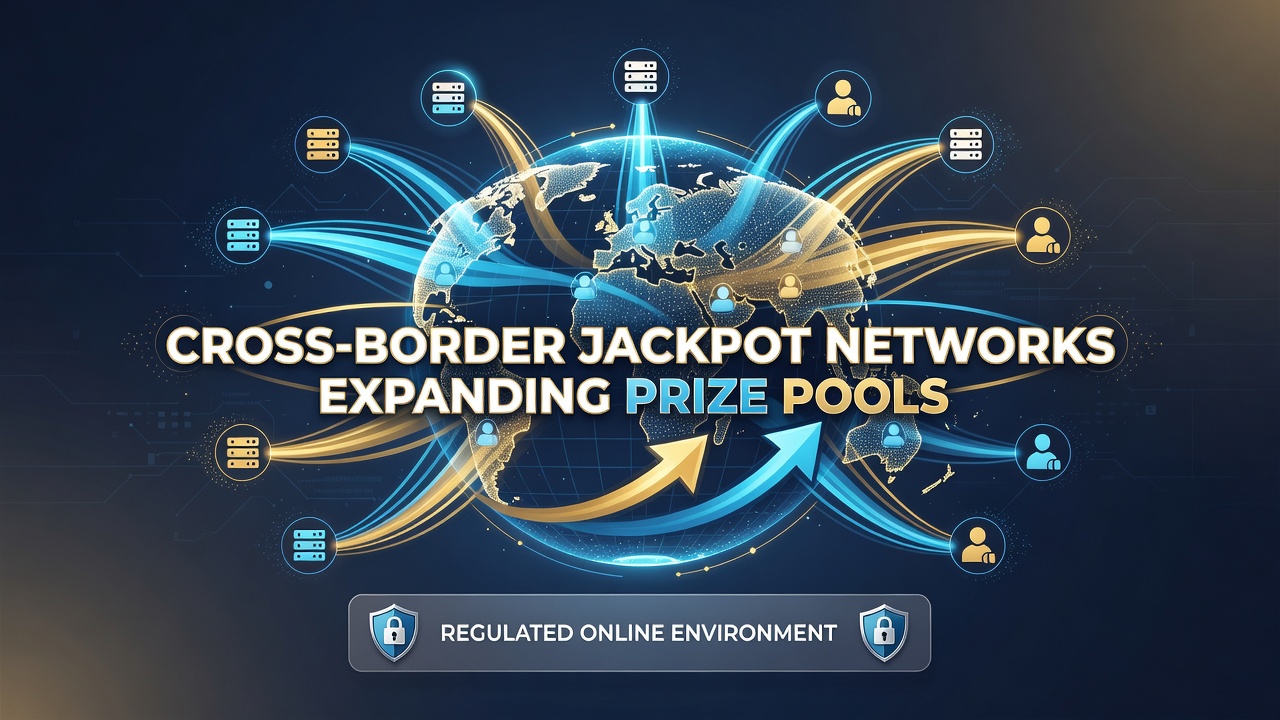
Payment flows in these networks follow strict segregation rules so that funds collected in one country stay identifiable for tax and audit purposes even while they contribute to the shared prize. Software providers handle the technical routing and maintain logs that regulators can review at any time. Research from academic sources indicates that transaction volumes through such pooled systems have risen steadily with monthly contribution totals exceeding previous single-operator benchmarks in most connected markets.
Player Participation and Verification Processes
Players in regulated environments access these jackpots through the same accounts they use for regular play yet the system flags any win above certain thresholds for additional verification steps that can include identity checks and source-of-funds reviews. The process typically completes within 24 to 48 hours after which the prize transfers directly to the player's chosen payment method. Because the networks operate only within licensed frameworks participants receive the same consumer protections that apply to standalone games in their home jurisdiction. Figures from regulatory filings reveal that dispute rates remain low with most issues resolved through standard customer service channels rather than formal complaints.
Future Developments Scheduled for 2026
Industry organizations expect additional connections to come online throughout 2026 as more jurisdictions finalize rules that permit cross-border pooling. Discussions currently underway involve markets in South America and further Asian territories where authorities have expressed interest in joining existing networks once local licensing regimes reach the required technical standards. The expanded reach should continue to increase average prize sizes while maintaining the compliance frameworks already in place across participating regions. Those who track these developments note that the combination of larger pools and strict oversight has created a model that regulators in additional countries appear willing to adopt provided the necessary safeguards remain intact.
Conclusion
Cross-border jackpot networks continue to expand the total available prizes by combining contributions from multiple regulated markets under agreements that respect each jurisdiction's legal requirements. Technical standards, audit procedures, and player protection measures stay consistent across borders while the shared pools grow at rates that single markets cannot match. With new connections planned for July 2026 and beyond the structure appears positioned to deliver larger rewards to participants in licensed online environments for the foreseeable future.