Immersive Shifts Reshaping Live Dealer Tables Through Virtual Reality at Regulated Venues
Olivia Koch · Aug 13, 2026
Immersive Shifts Reshaping Live Dealer Tables Through Virtual Reality at Regulated Venues
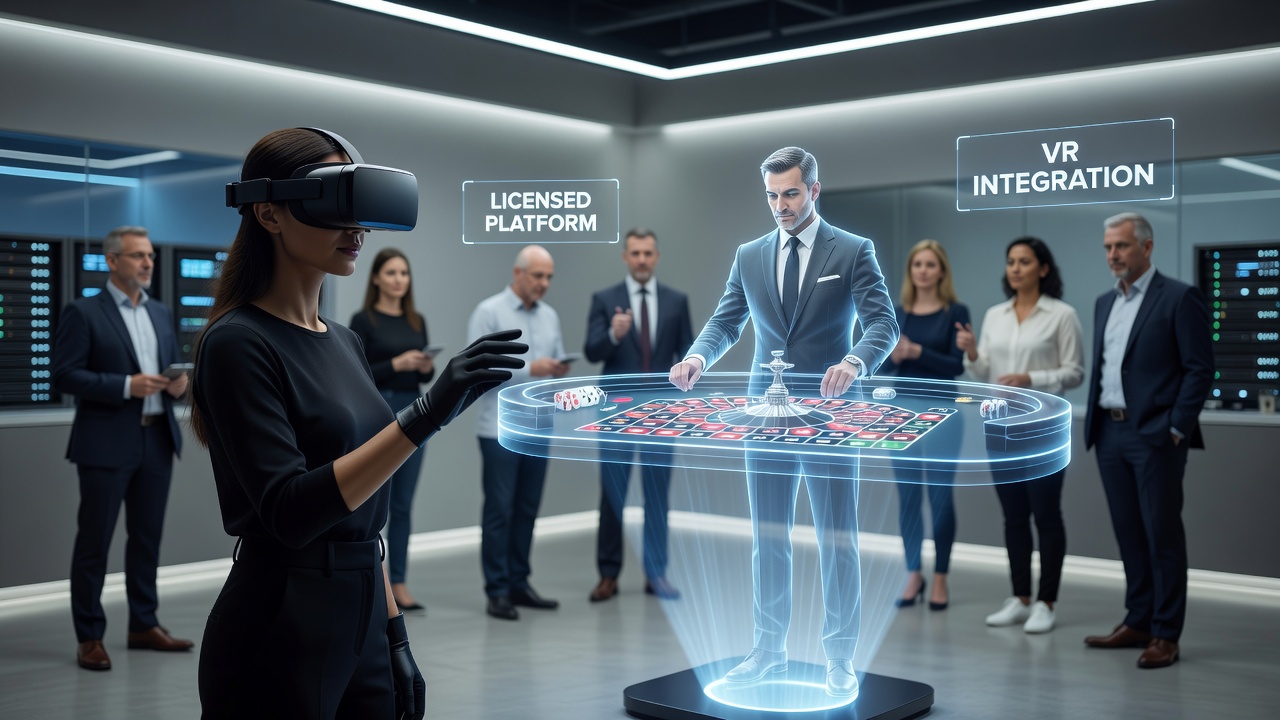
Virtual reality technology continues to integrate with live dealer operations at licensed platforms, where operators combine real-time video feeds with three-dimensional environments to create shared spaces that extend beyond traditional screen interfaces. Data from industry reports indicate that adoption rates for VR-enabled tables have increased steadily since early implementations in 2023, with several regulated operators expanding access through dedicated headsets and compatible mobile devices. These developments allow participants to observe dealer actions from multiple angles while maintaining the integrity of random number generation and regulatory oversight that governs licensed sites.
Core Components Driving VR Integration
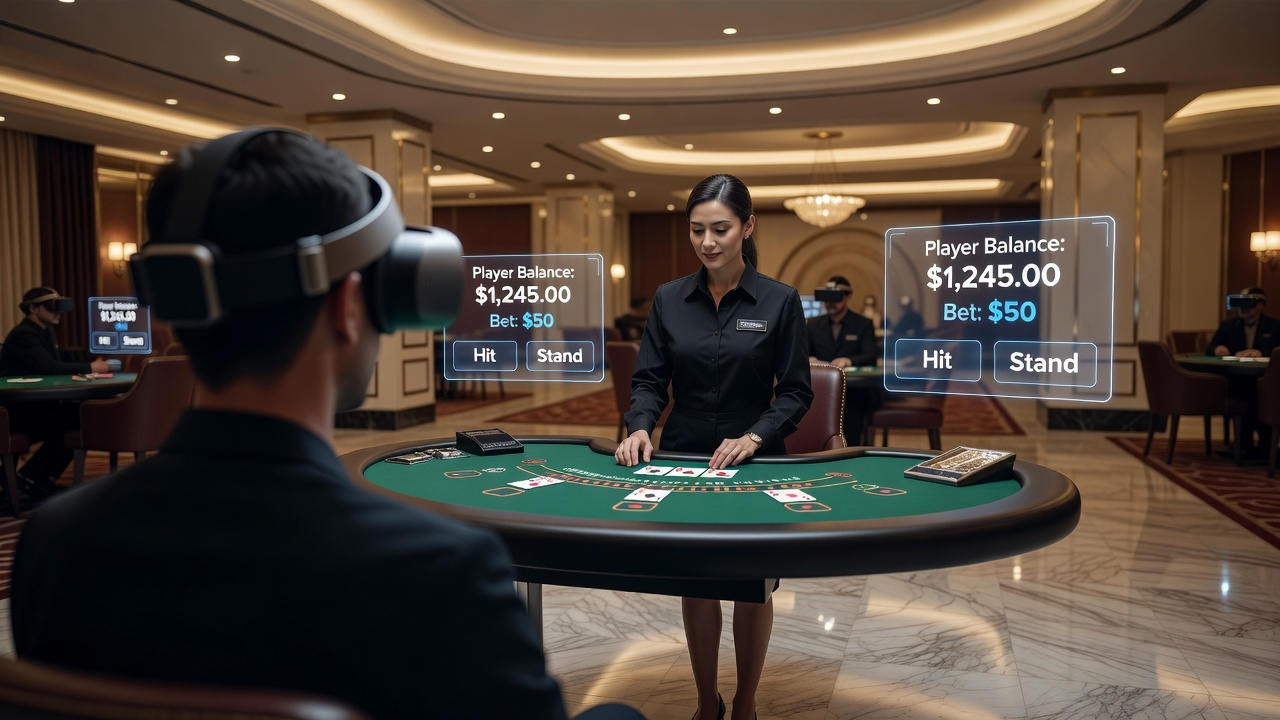
Live dealer platforms incorporate VR elements by layering computer-generated overlays onto authenticated video streams, which means dealers operate from physical studios while users navigate virtual replicas of the same tables. Research indicates that motion tracking systems synchronize player gestures with on-screen avatars, yet the underlying game mechanics remain tied to certified randomizers and compliance standards enforced by regional authorities. Observers note that this hybrid model preserves audit trails required for licensed operations, because every transaction and outcome still routes through centralized servers subject to external verification.
Hardware requirements have evolved to support lower-latency connections, and several providers now offer browser-based entry points that reduce the need for specialized equipment. Studies from academic institutions show that frame rates above 90 per second help minimize disorientation during extended sessions, while spatial audio cues replicate ambient sounds from physical casino floors. Those who have examined user data across multiple jurisdictions report that session durations at VR-enabled tables tend to align closely with conventional live dealer formats, suggesting the technology supplements rather than replaces established engagement patterns.
Regulatory Landscape Across Different Regions
Licensed platforms must align VR features with existing frameworks that govern player verification and financial transactions. In North America, for instance, state-level gaming control boards have begun reviewing VR prototypes to confirm that identity checks and fund segregation protocols function identically to non-immersive versions. European regulators have similarly examined data protection implications when spatial tracking information is collected alongside gameplay records. Australian authorities, through their respective state commissions, have issued guidance emphasizing that any virtual environment must not obscure mandatory responsible gambling tools such as deposit limits and session reminders.
According to findings presented by the American Gaming Association, collaborative testing between operators and hardware manufacturers has focused on ensuring that avatar representations do not alter the visibility of card faces or wheel segments during play. This approach maintains transparency standards that licensed venues already apply to two-dimensional streams. What's interesting is how these reviews have prompted updates to technical standards documents, which now reference three-dimensional rendering requirements alongside traditional video encoding specifications.
Technical and Operational Considerations
Bandwidth demands rise when VR streams include high-resolution environments and real-time dealer footage, prompting operators to partner with content delivery networks that prioritize low jitter connections. Researchers at several universities have measured round-trip delays in controlled settings and found that sub-50 millisecond latencies support natural interaction rhythms during card handling and chip placement. Yet platform providers continue to offer fallback modes that switch to standard video when network conditions fluctuate, thereby preserving access for users without optimal infrastructure.
Staff training programs at licensed studios have expanded to include guidance on positioning within camera arrays that feed VR reconstructions. Dealers learn to maintain consistent movements that translate accurately into virtual perspectives, while software teams calibrate lighting models to match physical studio conditions. Data compiled by gaming technology conferences reveal that these adjustments reduce post-production rendering times, allowing live sessions to proceed without additional delays compared to non-VR counterparts.
Future Milestones Scheduled for 2026
Industry calendars list an international technology summit in August 2026 that will showcase updated VR frameworks tested across multiple licensed jurisdictions. Organizers expect presentations on standardized application programming interfaces that permit seamless movement between different operator environments while retaining individual licensing credentials. Preliminary documentation circulated ahead of the event suggests emphasis on cross-border data handling protocols that satisfy varying regional privacy statutes.
Those tracking equipment certification processes note that new headset models entering the market incorporate improved eye-tracking sensors, which could enable dynamic adjustment of field-of-view parameters during live dealer rounds. Such features would still operate under the same certification regimes applied to existing gaming software, ensuring that outcome integrity remains unchanged regardless of visual enhancements.
Conclusion
Virtual reality continues to layer additional visual and spatial dimensions onto live dealer experiences at licensed platforms without displacing the regulatory safeguards that define authorized operations. Evidence from technical evaluations and compliance reviews demonstrates that core elements such as authenticated dealers, certified randomizers, and audited transaction flows persist across both conventional and immersive formats. As hardware accessibility improves and testing protocols mature, platforms operating under established licenses appear positioned to incorporate these tools while meeting ongoing oversight requirements from diverse regulatory bodies.