Instant Bank Transfers Drive Shifts in Mobile Progressive Jackpot Strategies
Viktor Berger · Oct 14, 2026
Instant Bank Transfers Drive Shifts in Mobile Progressive Jackpot Strategies
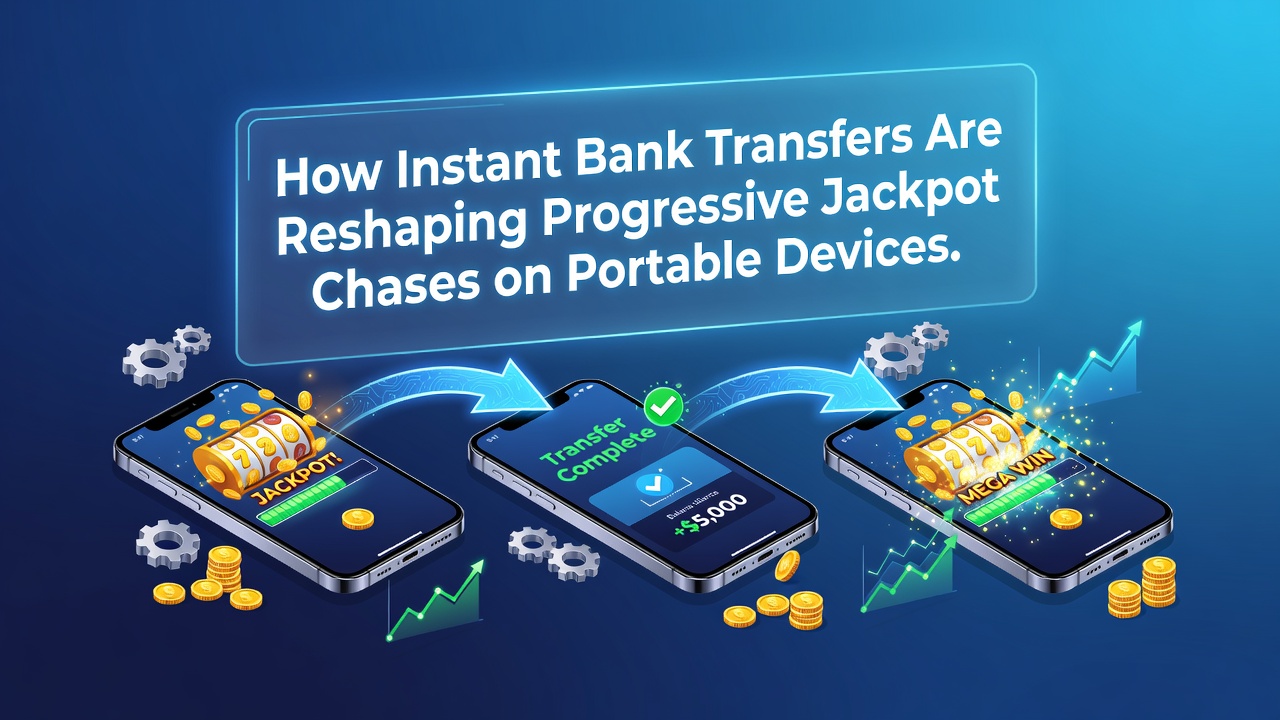
Instant bank transfers have altered how players approach progressive jackpot games on smartphones and tablets since the widespread adoption of faster payment systems across multiple markets. These systems allow deposits to clear in seconds rather than hours or days, which changes the timing and frequency of jackpot pursuits on portable devices. Data from payment processors indicates that transaction completion times dropped below ten seconds in many regions by early 2025, and this speed directly supports repeated entries into growing jackpot pools without the delays that once interrupted sessions.
Payment Speed and Jackpot Participation Patterns
Observers note that players using instant transfers often maintain longer continuous sessions because funds arrive immediately after authorization. This pattern appears in markets where open banking protocols operate, such as parts of the European Union and several Australian states. A report from the American Gaming Association shows mobile progressive jackpot play volumes rose 28 percent year-over-year in jurisdictions with same-second transfer capabilities. The data links this increase to reduced friction between deciding to chase a jackpot and actually placing the first spin.
Progressive jackpots accumulate across linked machines or games, and the meter advances with each qualifying bet. When transfers clear instantly, participants can respond to meter growth in real time rather than waiting for batch processing. Researchers at the University of Nevada, Las Vegas documented similar behavior in a 2025 study of mobile slot users, finding that instant funding correlated with higher average bets per session during peak jackpot growth periods.
Device Features Enabling Rapid Funding
Modern smartphones include biometric authentication and secure element chips that support one-tap bank approvals while meeting regulatory security standards. These features reduce the steps between noticing a rising jackpot and funding an account. Operators report that mobile sessions involving progressive titles now average 14 minutes longer than comparable desktop sessions in regions with instant transfer support. The difference stems from seamless re-deposits that keep players inside the same app environment instead of switching to banking portals.
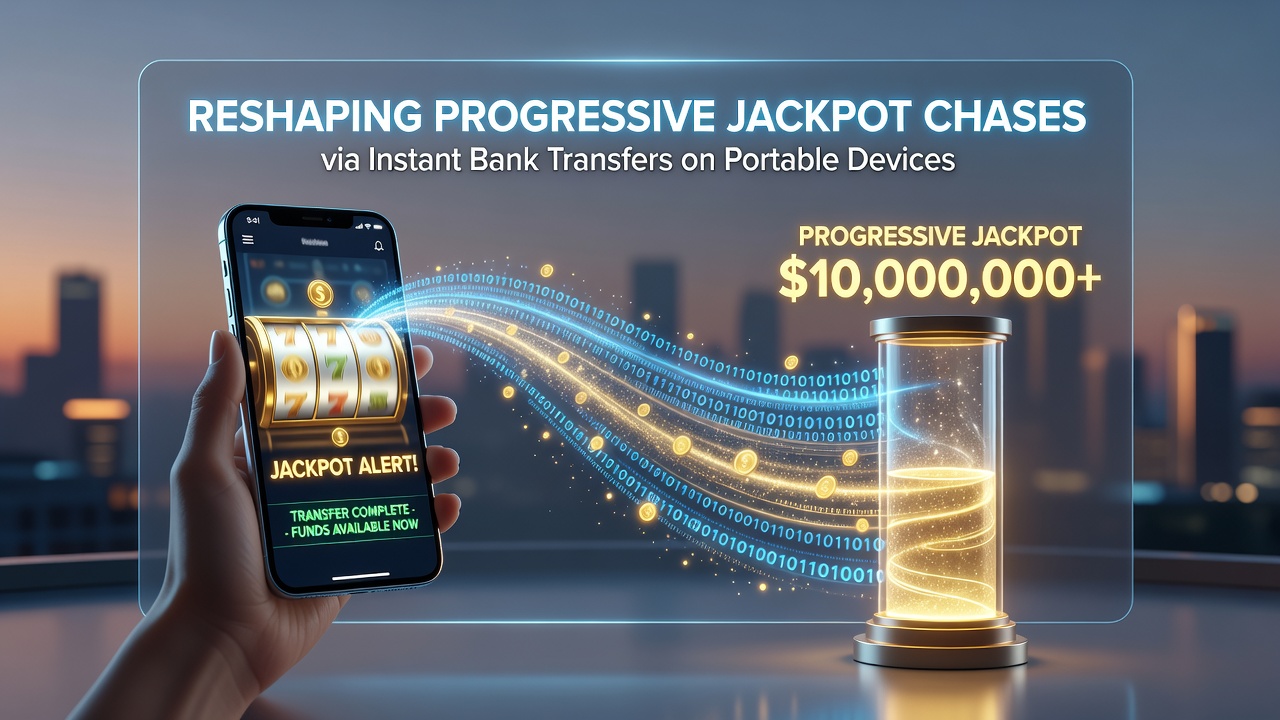
Push notifications from casino apps alert users when specific jackpot thresholds are crossed. Combined with instant funding, these alerts allow immediate action without leaving the mobile interface. Figures released by the Canadian Gaming Association in September 2025 revealed that 41 percent of progressive jackpot wins on mobile platforms in the preceding twelve months originated from accounts funded via instant transfers within the prior five minutes. The association attributes part of this statistic to improved notification systems paired with faster payment rails.
Regulatory Developments and October 2026 Outlook
Regulators in several jurisdictions have updated rules to accommodate instant transfers while maintaining responsible gambling controls. The Nevada Gaming Control Board implemented revised deposit verification standards effective October 2026 that require operators to display real-time balance updates after each instant transfer. Similar measures appear in draft legislation under review in New South Wales, Australia, where authorities seek to balance player convenience with spending limit enforcement.
These changes affect how progressive jackpot networks operate because meter contributions and player eligibility must update across distributed systems within tight timeframes. Industry groups such as the European Gaming and Betting Association have published technical guidelines for synchronizing instant payments with jackpot servers to prevent discrepancies during rapid deposit sequences.
Player Behavior and Session Continuity
Those who track mobile gambling metrics observe that instant transfers reduce session abandonment rates during jackpot chases. When a player exhausts an initial deposit but sees the meter continue climbing, the ability to reload without delay keeps engagement high. Studies from the University of Sydney’s Gambling Research Unit found that players using instant methods placed 19 percent more spins per hour on average during active progressive events compared with users relying on slower funding options.
Portable device constraints such as smaller screens and touch interfaces make every additional tap costly in terms of user attention. Instant transfers minimize those extra steps, which helps sustain focus on the jackpot meter itself rather than on banking navigation. Operators have adjusted interface designs accordingly, placing deposit shortcuts directly beside game controls on many mobile platforms.
Conclusion
Instant bank transfers have become integral to mobile progressive jackpot activity by shortening the interval between funding decisions and gameplay actions. Available data from multiple regulatory and research bodies shows measurable increases in session length and participation frequency where these transfers operate at scale. As technical standards and regulatory frameworks continue to align with faster payment systems, the mechanics of chasing jackpots on portable devices will likely continue evolving around the same core advantage of speed.