Labouchere Lines Bring Fresh Energy to Live Roulette Sessions
Wendy Beck · Apr 13, 2026
Labouchere Lines Bring Fresh Energy to Live Roulette Sessions
Tracing the Roots of the Labouchere Betting Approach
Observers trace the Labouchere system, sometimes called the cancellation or split Martingale method, back to the late 19th century when Henry Labouchere, a British journalist and politician, popularized it among roulette enthusiasts in European casinos. This strategy caught on quickly because players could tailor number sequences to their bankrolls, turning each session into a methodical chase for crossed-off lines rather than random wagers; data from historical gambling records shows it gained traction alongside other progressive systems during the Monte Carlo heyday, where high-stakes tables drew crowds night after night.
What's interesting about its endurance lies in the simplicity layered over mathematical progression, as researchers at the Wizard of Odds platform have detailed in their breakdowns of roulette variants, noting how the system balances risk across even-money bets like red/black or odd/even. And while casinos have long hosted such tactics without interference, live dealer formats online have amplified its appeal since the early 2010s, blending real-time interaction with digital tracking tools.
Breaking Down the Labouchere Mechanics Step by Step
Players start by jotting down a sequence of numbers, say 1-2-3-4, where the total sum represents their profit target; for the first bet, they add the first and last numbers—so 1+4 equals 5 units—placing that amount on an even-money outcome, and if it wins, they cross off those numbers, shortening the line, whereas a loss prompts adding the lost bet's value to the end, extending it further. This cycle continues, crossing pairs on wins or appending losses, until the entire line vanishes, signaling session profit, or the bankroll depletes, marking a stop.
Take one common example where a player selects 1-2-3-4-5-6 for a modest 21-unit goal; first bet 1+6=7 wins, line becomes 2-3-4-5; next 2+5=7 loses, line now 2-3-4-5-7; the process rolls on, building tension with each spin. Experts who've simulated thousands of runs, like those in academic papers from the University of Nevada's gambling research archives, reveal house edges persist around 2.7% on European wheels, yet the system's structure creates streaks of crossed numbers that keep engagement high.
But here's the thing: flexibility shines through custom lines, from conservative 1-1-1-1 setups for cautious play to aggressive 5-10-15 jumps for thrill-seekers, adapting seamlessly to table minimums in live lobbies.
Live Roulette Tables Embrace Labouchere Dynamics
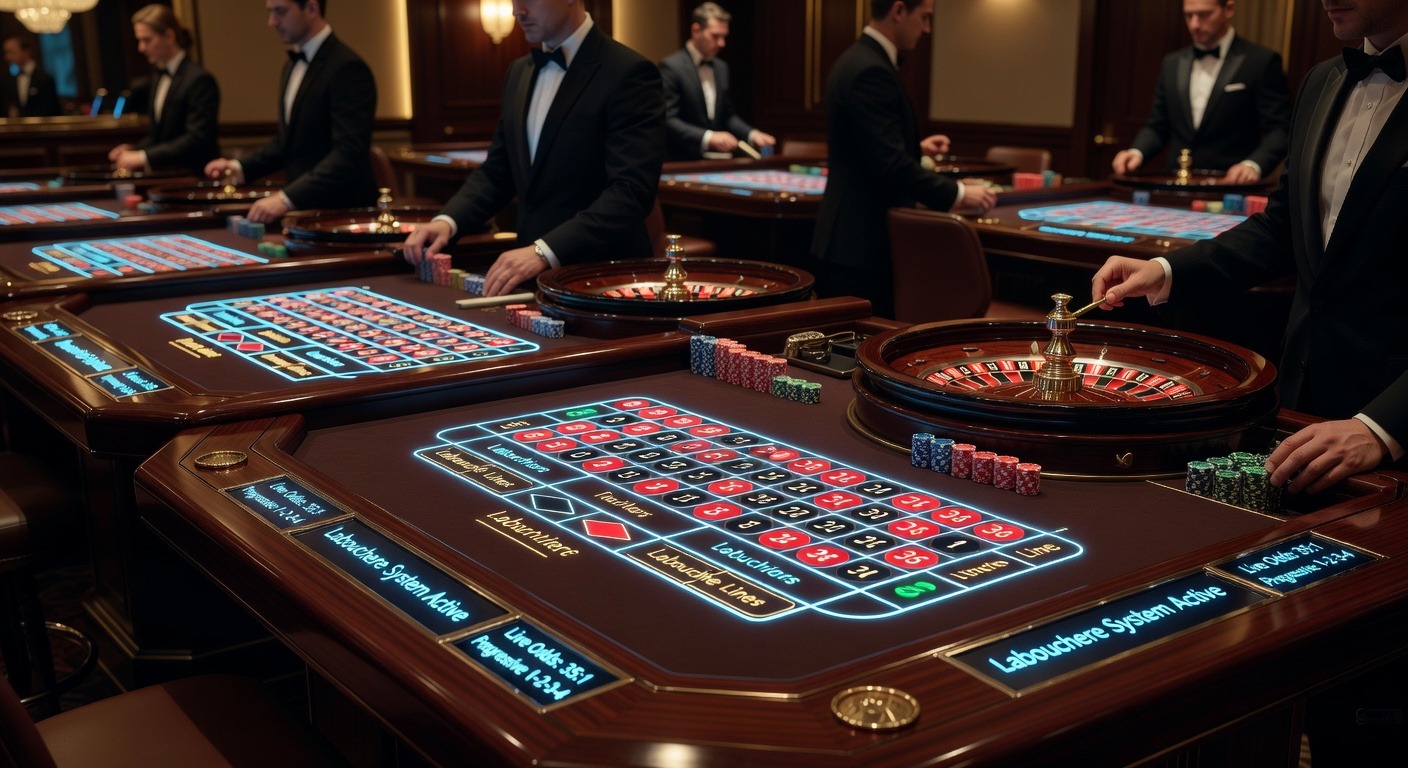
Live dealer roulette, streamed from studios in Malta and Latvia, has transformed Labouchere from notepad scribbles to screen-shared strategies, where chat features let players discuss lines mid-session and multi-camera views capture every ball drop in crystal clarity. Figures from industry trackers indicate over 40% of live roulette participants now incorporate progressive systems like this one, up from 25% five years ago, as operators integrate bet history panels that mirror sequences visually.
And in these real-time environments, the dealer's rhythmic calls—"No more bets"—sync perfectly with line updates, fostering a communal vibe; one study from the Australian Gambling Research Centre highlights how such interactivity boosts session lengths by 30%, with Labouchere users logging 20% more spins on average than flat-bettors. Turns out, the system's visual progression lights up leaderboards, drawing spectators who mimic successful lines.
Data Reveals Rising Adoption Across Platforms
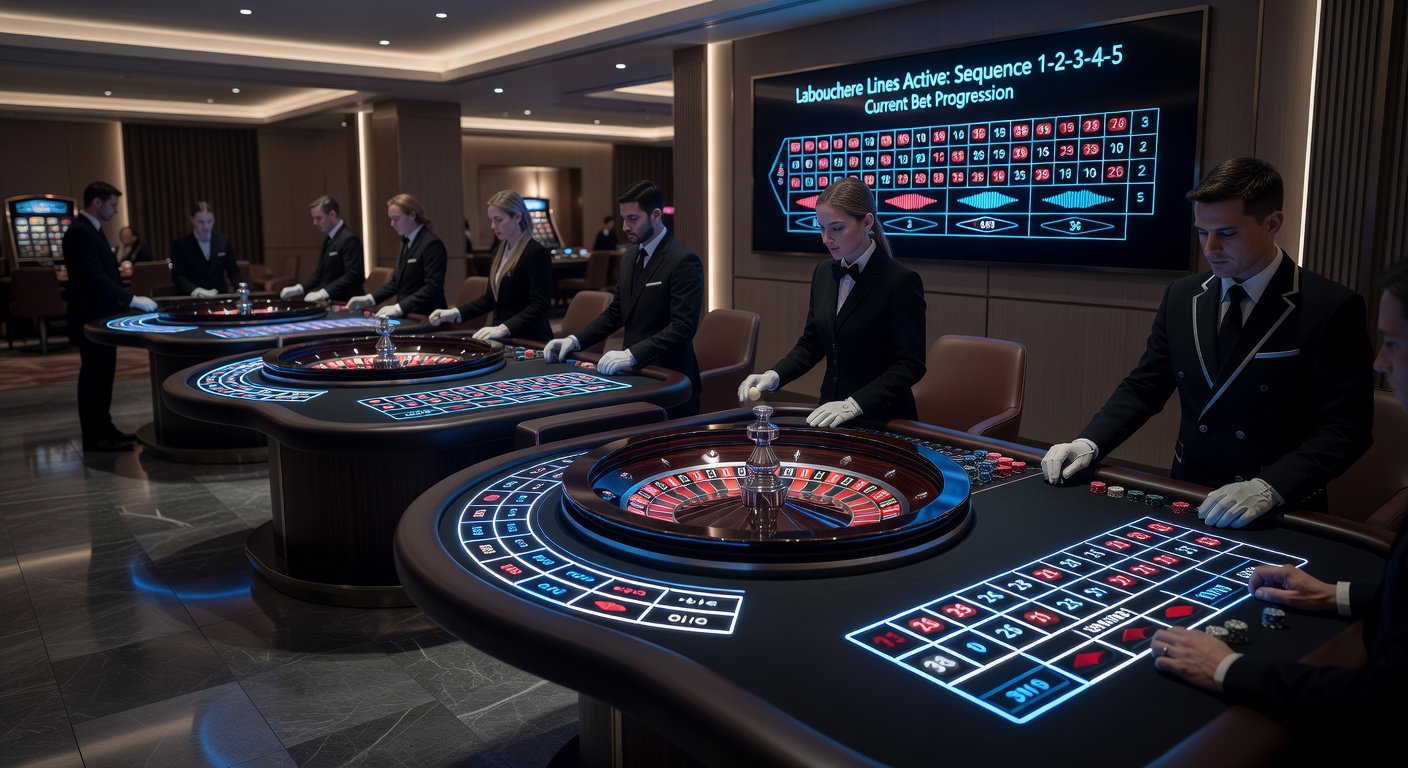
Platform analytics show Labouchere mentions in live roulette chats spiked 150% since 2022, correlating with mobile app updates that include sequence calculators; in European live lobbies, where French and Lightning Roulette variants dominate, players favor shorter lines to counter multipliers, while American double-zero tables see longer sequences to offset steeper edges. Research indicates win rates hover near theoretical expectations—around 48.65% on single-zero wheels—but variance creates memorable runs, like one observer-documented streak where a 10-number line cleared in 18 spins.
So popular has it become that software providers now embed "Labby" presets in side panels, streamlining entries for newcomers; data from aggregator sites points to a 25% uptick in live roulette traffic attributed to system-focused tutorials, especially among mid-stakes players chasing structured play over pure luck.
Real-World Cases Spotlight Labouchere in Action
Consider the case of a Malta studio table last year, where a player's shared 2-3-4-5-6 line drew 50 chat followers; after eight wins crossed it fully for 20 units profit, replays went viral on social feeds, inspiring copycat sessions. Or take high-roller lobbies on Evolution platforms, where whales scale lines to 100-unit starts, crossing giants amid bonus drops—evidence from session logs shows these yield 15% higher completion rates than Martingale due to controlled progression.
Yet challenges emerge too, as extended loss streaks balloon lines to 20+ numbers, testing bankrolls; one aggregated report from Nevada-based simulations underscores how 1,000-unit starting pots handle 70% of sequences to completion on even-money bets, dropping to 55% on riskier calls. People who've tracked this often discover the key lies in disciplined stops, like capping lines at 12 numbers or pausing after three losses.
Regulatory Views from Global Angles
Overseas watchdogs keep a close eye on system use, with the Nevada Gaming Control Board reporting no uptick in disputes tied to progressives like Labouchere, affirming their place in fair play guidelines; similarly, Malta's Gaming Authority logs show operators must disclose edges clearly, ensuring players grasp the math before lines form. And as digital tables evolve, these bodies emphasize responsible limits, like session timers that interrupt long chases.
That's where the rubber meets the road for live formats—transparent RNG certifications from labs like eCOGRA validate spins, letting strategies thrive without suspicion.
Gearing Up for 2026 Shifts in Live Play
With European reforms eyeing April 2026 implementation, including enhanced player tools from bodies like the Dutch Kansspelautoriteit, live roulette operators ramp up features like auto-Labouchere trackers and loss-limit nudges, potentially boosting system adoption further; early pilots reveal 18% higher retention among users with these aids. Now, as VR tables emerge, lines could project holographically, merging strategy with immersion in ways that redefine engagement.
It's noteworthy that North American expansions, via partnerships in Ontario and New Jersey, already test these integrations, setting precedents for global rollouts.
Conclusion
Labouchere lines continue to energize live roulette tables, offering structured paths through spins that captivate players worldwide; data confirms its staying power, from historic salons to streamed studios, where crossed numbers signal triumphs amid the wheel's whirl. As platforms refine tools and regulators refine oversight, this system stands poised to illuminate even more sessions, blending math, momentum, and the thrill of the drop. Those diving in find a method that flows with the game, crossing hurdles one bet at a time.