Mapping Networks of Linked Progressive Jackpots Across Independent Gaming Venues
Mara Werner · Aug 3, 2026

Mapping Networks of Linked Progressive Jackpots Across Independent Gaming Venues
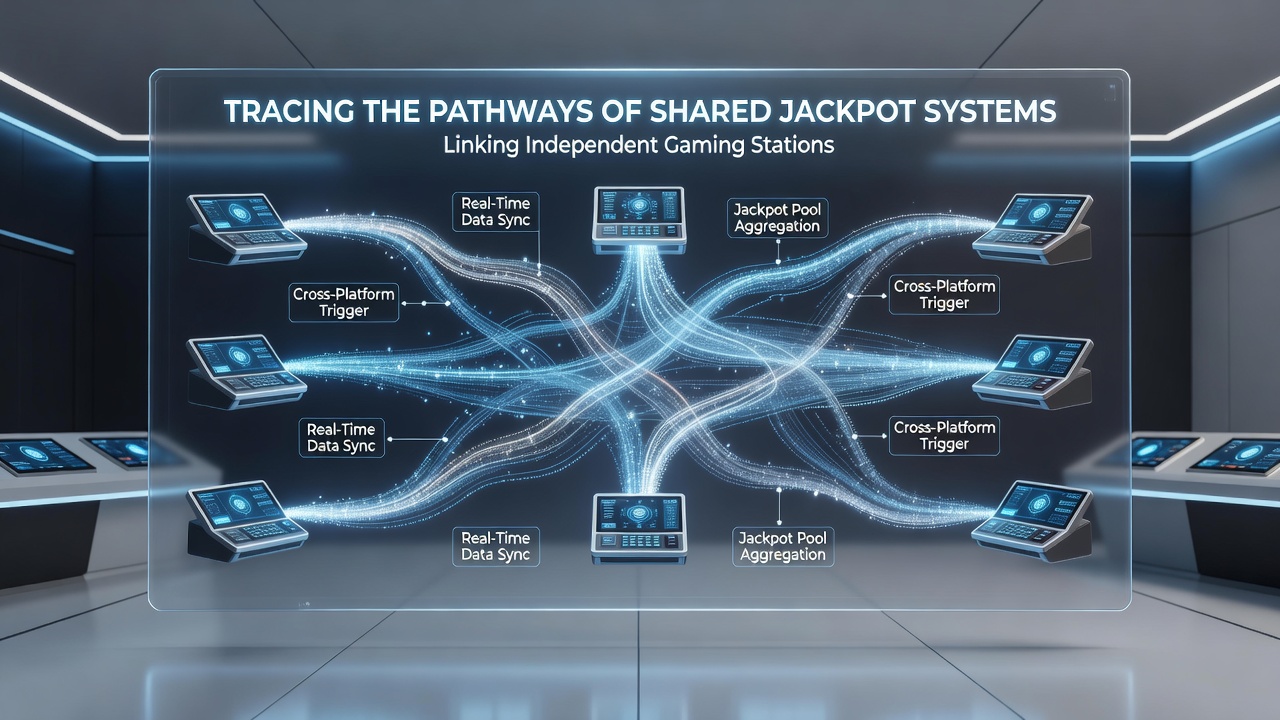
Shared jackpot systems operate by pooling contributions from independent gaming stations into centralized prize pools that grow until triggered, and these networks rely on secure data pathways to track every wager across separate venues. Observers note that each machine sends a small percentage of its bets to a central server, which updates the displayed jackpot amount in real time, while operators maintain independent ownership of their hardware yet participate in the collective prize structure.
Technical Pathways Enabling Cross-Venue Connections
Central servers collect data streams from machines located in different facilities, and these connections use encrypted protocols to transmit bet amounts, timestamps, and machine identifiers without exposing individual player details. Researchers have documented that fiber optic lines and dedicated VPN tunnels form the backbone for many such systems, whereas satellite links serve remote locations where terrestrial infrastructure remains limited, and software layers handle synchronization so that every participating station displays the same progressive total at any given moment.
Data aggregation occurs at intervals measured in milliseconds, which allows the jackpot figure to reflect contributions from hundreds or thousands of units simultaneously. One case involved a multi-state network in the United States where a Nevada-based operator linked stations with machines in New Jersey facilities, and the central controller adjusted totals after each spin while enforcing strict separation between each venue's revenue streams.
Regulatory Frameworks Across Regions
Government agencies in various jurisdictions set standards for how shared systems must segregate funds and report activity, and these rules differ by region yet share common requirements around audit trails and random number generator certification. In Australia the Australian Communications and Media Authority oversees compliance for interstate jackpot pools, while in Canada the Alcohol and Gaming Commission of Ontario reviews technical specifications for linked terminals operating within its borders, and both bodies require operators to demonstrate that jackpot contributions remain traceable from source machine to central pool.
Testing laboratories verify that the communication pathways prevent tampering, and annual inspections confirm that independent stations continue to function autonomously even when disconnected from the shared network. Figures from industry reports indicate that such verification processes have expanded in scope as more venues adopt linked configurations.
Expansion Trends Through August 2026
By August 2026 several operators had completed upgrades to their network infrastructure, which increased the number of independent stations able to join existing jackpot pools without requiring hardware replacement. These upgrades incorporated newer encryption standards and improved latency handling, allowing venues separated by hundreds of kilometers to participate seamlessly. Data shows that participation rates rose notably during this period, particularly among smaller casinos seeking access to larger prize amounts without building their own progressive systems from scratch.
Security Measures and Data Integrity
Encryption protocols protect the pathways between stations and central servers, and operators implement multi-factor authentication for any staff accessing jackpot management interfaces. Researchers discovered that anomaly detection algorithms monitor transaction volumes in real time, flagging unusual patterns that could indicate technical faults or unauthorized access attempts. Independent audits conducted by third-party firms review logs from every participating venue, ensuring that contributions match recorded payouts and that no single location can manipulate the shared total.
Backup systems replicate data across geographically dispersed servers, which maintains continuity if one pathway experiences disruption. Those who manage these networks report that failover procedures activate within seconds, preserving jackpot integrity across all connected stations.
Case Examples from Different Markets
One documented network in North America links over 1,200 machines across six states, and each venue retains full control over its local operations while feeding into a common prize pool administered by a neutral third party. In Europe similar arrangements appear in select markets where national regulations permit cross-operator participation, and a study published through the University of Sydney's gambling research unit examined how such linkages affect player behavior and prize distribution patterns without altering the fundamental independence of each gaming station.
What's interesting is that these examples demonstrate consistent technical principles regardless of geography, even as local rules shape the approval and oversight processes.
Conclusion
Shared jackpot systems continue to evolve through improved network technologies and refined regulatory approaches that balance operator independence with collective prize mechanics. The pathways connecting independent stations rely on established data protocols, third-party verification, and regional compliance standards that together support reliable operation across expanding geographic areas. As infrastructure upgrades proceed into late 2026, the number of linked configurations is expected to grow while maintaining the core requirement that each gaming venue retains autonomous control over its equipment and revenue.