Payment Velocity Changes Player Tactics Across Mobile Blackjack Variants and Reel Sequences
Ulrich Coleman · Aug 17, 2026
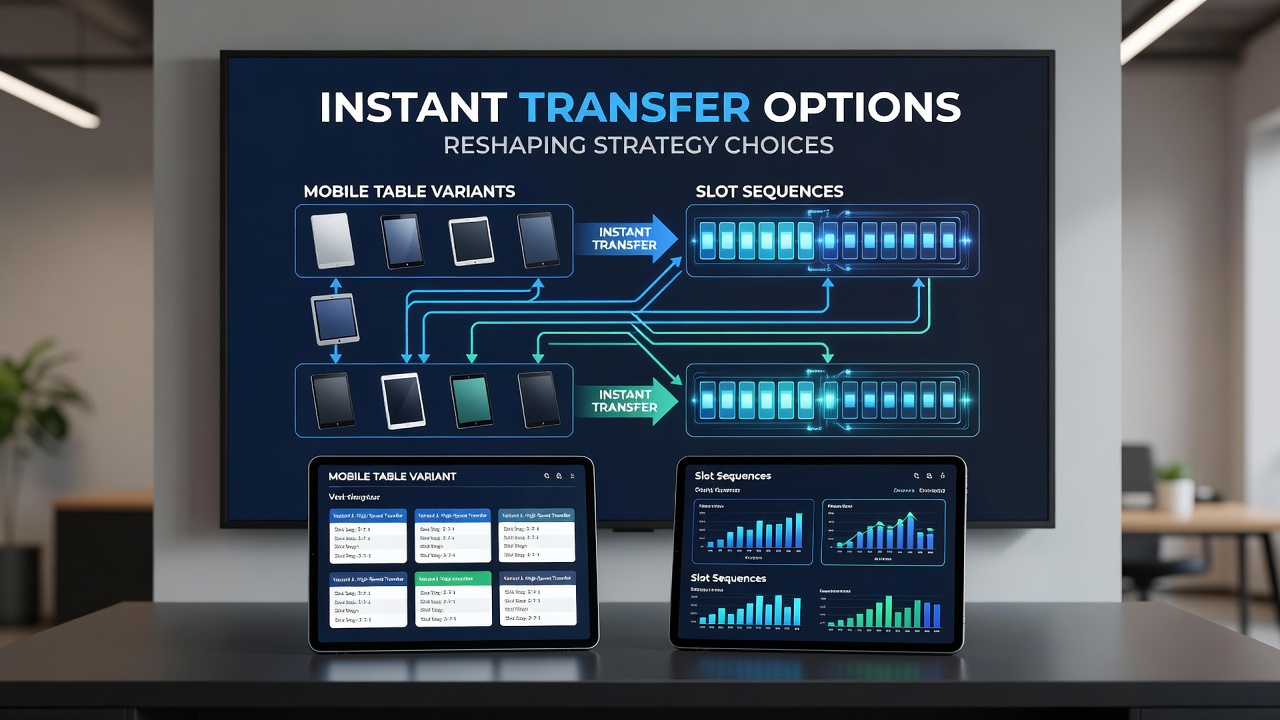
Payment Velocity Changes Player Tactics Across Mobile Blackjack Variants and Reel Sequences
Instant transfer systems have expanded across mobile platforms since the early 2020s, and data from payment processors show that deposit times now average under ten seconds in many regulated markets. Observers note that this speed allows players to adjust bankrolls mid-session without leaving the game interface, which in turn influences how participants approach both table variants and slot sequences. Research from the Australian Gambling Research Centre indicates that faster funding correlates with higher session frequency, particularly on devices running iOS and Android operating systems.
Mechanics Behind Instant Transfers
Payment providers integrate APIs directly into casino applications so that users authorize transactions through stored banking details or digital wallets, and funds appear in the account balance immediately upon approval. Those who track transaction logs report that success rates exceed 95 percent when networks operate without interruptions, while failed attempts trigger automatic retries within the same minute. This infrastructure supports variants such as infinite-seat blackjack tables and multi-hand roulette formats because players can top up after each round rather than waiting for batch processing cycles that once lasted several minutes.
Adjustments in Table Variant Approaches
Players using instant transfers often modify stake sizes more frequently during blackjack switch or perfect pairs rounds, since replenishment no longer requires exiting the table lobby. Figures from North American transaction analytics reveal that average bet increments occur 30 percent more often when funding completes in real time compared with legacy methods. Observers note that participants in these environments tend to switch between side-bet options and base wagers within the same shoe because the barrier to additional capital has diminished, and this pattern appears across both low-limit and premium mobile tables.
One documented case from a Canadian provincial operator showed that users employing instant options completed 22 percent more hands per hour on average, and the data linked this increase directly to the absence of deposit delays. Strategy software logs indicate that deviation rates from basic strategy charts drop slightly when players can reload without interruption, although the overall house edge remains unchanged.
Shifts Observed in Slot Sequences
Slot sequences that feature cascading reels or chained multipliers benefit from the same payment speed because participants can extend play across bonus rounds without pausing to complete external transfers. Industry reports compiled by the European Gaming and Betting Association document that mobile sessions featuring instant deposits last longer on average, with users progressing through higher numbers of sequential spins before cashing out. Data shows that feature-trigger frequencies remain statistically consistent, yet the volume of spins completed per funded session rises when reloads happen instantaneously.
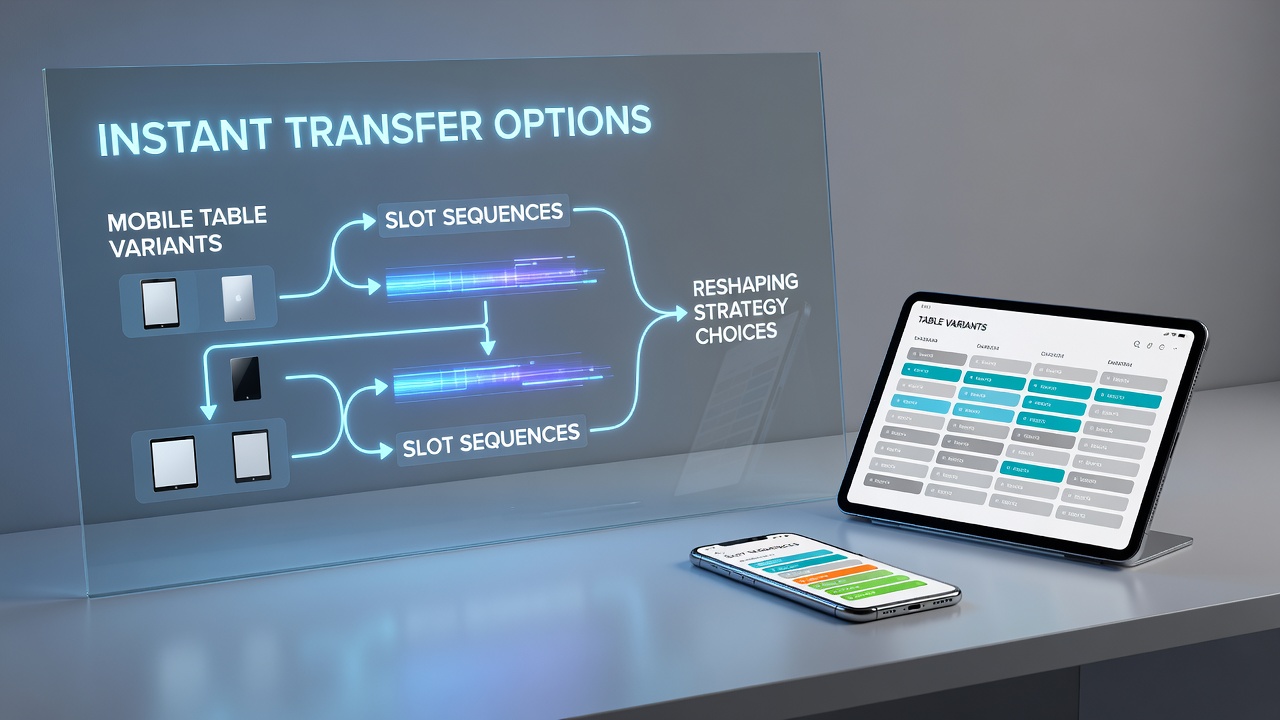
Those monitoring player behavior across multiple jurisdictions note that instant options reduce the incidence of session abandonment during losing streaks in progressive jackpot sequences, because additional funds arrive before the game state resets. This continuity allows for sustained tracking of reel patterns, although mathematical probabilities stay fixed regardless of funding method.
Regulatory Context Entering August 2026
Updated licensing frameworks in several non-UK jurisdictions require operators to display real-time transfer confirmations within the game client, and compliance data from state regulators in Australia and parts of Canada indicate that these mandates took effect earlier in 2026. Transaction monitoring systems now flag patterns where rapid deposits coincide with extended play durations, yet authorities continue to emphasize that responsible gambling tools such as deposit limits remain available at the account level. Operators have reported that integration costs for these instant systems have stabilized, and adoption rates among mobile users exceed 70 percent in markets where the technology is offered.
Academic studies published through university-affiliated research centers continue to examine whether payment velocity alters risk perception, and preliminary results suggest that perceived control increases even though actual win probabilities remain constant. These findings draw from anonymized datasets that span multiple device types and game categories.
Conclusion
Instant transfer capabilities have integrated into mobile casino environments to the extent that session management now occurs with minimal friction, and available data confirm measurable changes in how often players adjust stakes or extend sequences. Regulatory bodies outside the UK continue to monitor these developments through transaction reporting requirements, while industry associations track adoption metrics that show sustained growth. The technical infrastructure supporting these options continues to evolve, yet core game mathematics and house edges stay independent of funding speed.