Redemption Cycles: Tracking No Deposit Offer Usage Patterns Among Mobile Users in Licensed Platforms
Mara Werner · Jun 15, 2026
Redemption Cycles: Tracking No Deposit Offer Usage Patterns Among Mobile Users in Licensed Platforms
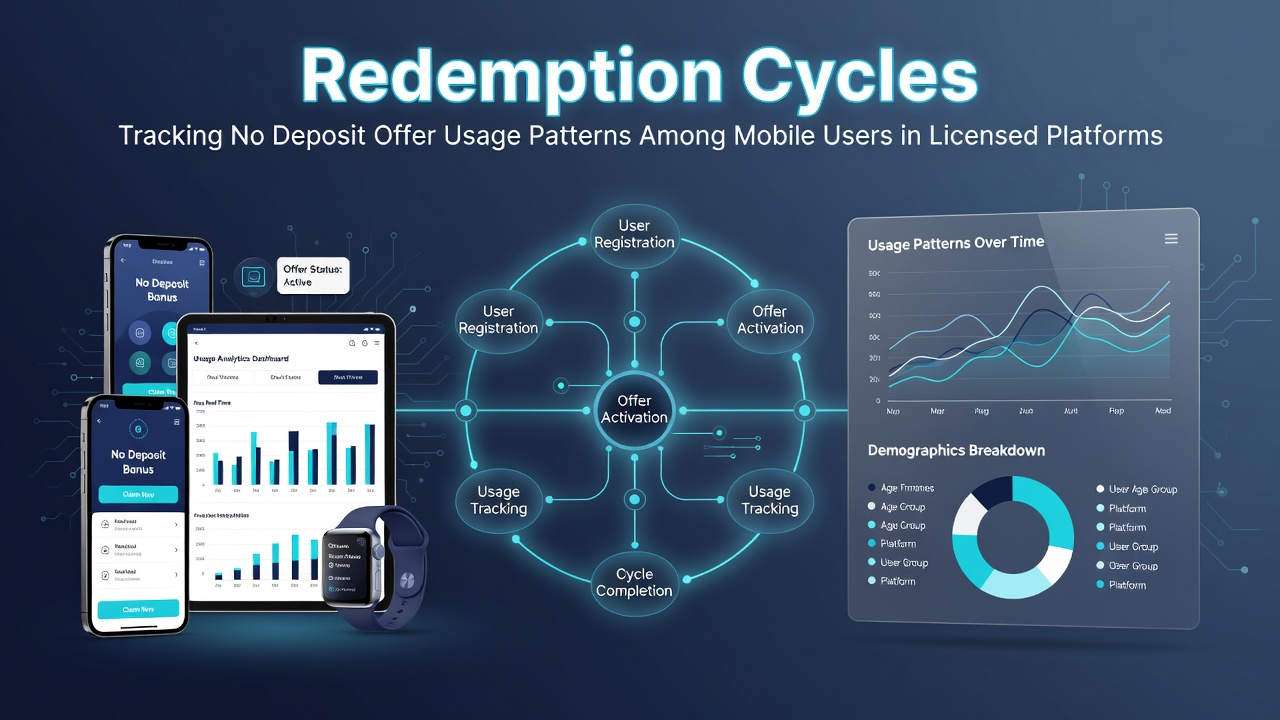
Redemption cycles describe the recurring sequences through which mobile users activate, utilize and complete no deposit offers on licensed gaming platforms, with data revealing distinct behavioral clusters that operators monitor through analytics dashboards. Researchers at several academic institutions have documented how these cycles typically span from initial claim to final wagering requirement fulfillment, often lasting between three and fourteen days depending on the offer structure.
Mobile Platform Adoption and Offer Mechanics
Licensed operators have expanded no deposit promotions specifically for mobile interfaces since the mid-2020s, creating incentives that require no initial funds yet impose clear playthrough thresholds before any winnings convert to withdrawable balances. Data from industry reports indicates that mobile sessions account for over seventy percent of all no deposit redemptions across regulated markets in multiple jurisdictions. Users frequently access these offers through dedicated apps or optimized browser versions, where push notifications and in-app messaging guide the progression from claim to redemption.
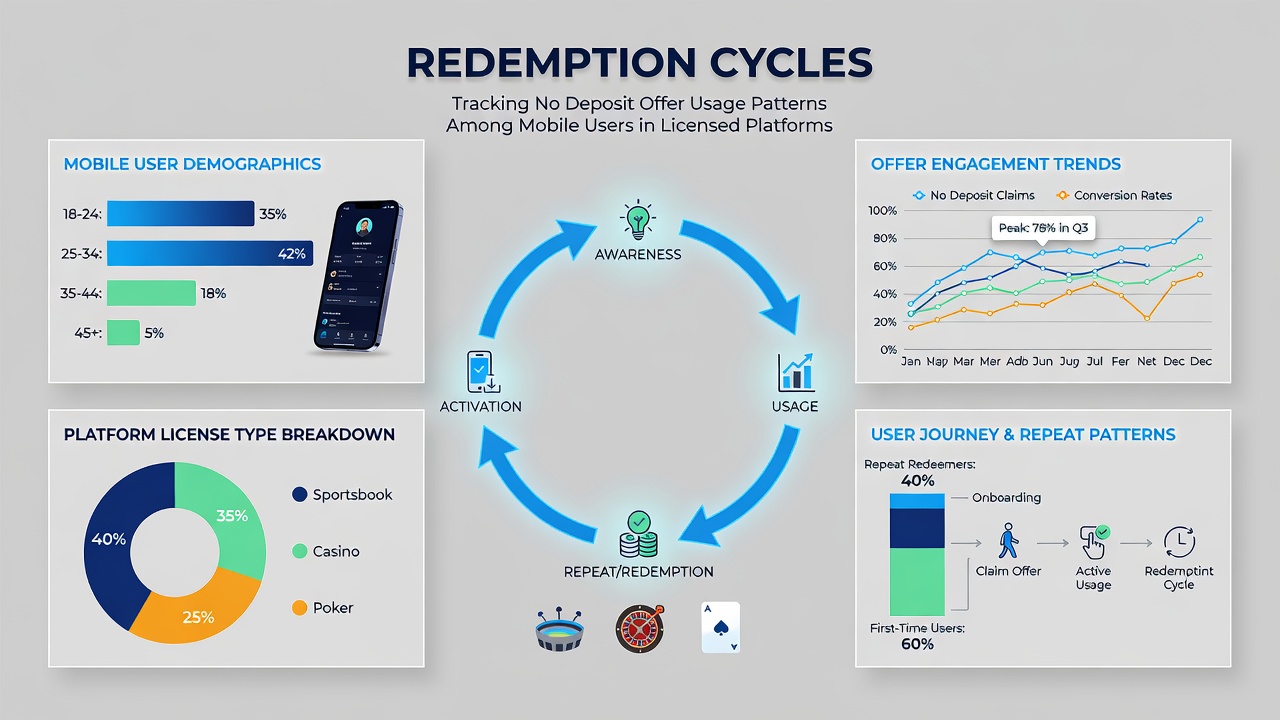
Analysts tracking user cohorts note that patterns emerge around specific times of day, with peak activity occurring during evening hours in local time zones while morning redemptions tend to involve shorter session durations. A 2025 study published by the Australian Gambling Research Centre highlighted how mobile users complete initial bonus spins or table game rounds within the first hour of claiming an offer in sixty-two percent of tracked cases, after which engagement either accelerates toward requirement completion or tapers off entirely.
Usage Pattern Clusters Across User Segments
Segmentation analysis divides mobile users into distinct groups based on redemption frequency and completion rates. Casual participants often redeem single offers per month and show higher abandonment rates once partial wagering thresholds are met, whereas dedicated mobile enthusiasts maintain multiple active cycles simultaneously across different licensed platforms. Platform data reveals that users aged twenty-five to thirty-four demonstrate the highest consistency in cycling through offers, frequently rotating between welcome bonuses and ongoing loyalty promotions without depositing.
Geographic variations appear in how quickly requirements reach fulfillment, with urban users completing cycles faster than those in regional areas according to aggregated telemetry from several North American operators. The National Council on Problem Gambling has compiled figures showing that mobile-specific no deposit offers generate redemption volumes that peak during promotional windows tied to sporting events or seasonal campaigns.
Regulatory Context and Data Transparency Requirements
Licensed platforms must adhere to transparency mandates that require clear disclosure of offer terms, including expiration periods and maximum win caps, before users finalize redemption. In June 2026 several Canadian provinces implemented enhanced reporting standards that compel operators to submit anonymized cycle completion statistics to provincial regulators on a quarterly basis. These requirements aim to provide oversight bodies with granular insight into how no deposit mechanics influence player retention and expenditure patterns over extended periods.
European regulatory frameworks have similarly emphasized the need for real-time tracking capabilities, allowing authorities to identify unusual clustering of redemptions that might signal coordinated activity across multiple accounts. Operators respond by deploying machine learning models that flag deviations from established user baselines, thereby maintaining compliance while refining offer targeting.
Technological Tools for Cycle Monitoring
Modern analytics suites integrate session length, device type, and geographic indicators to map redemption trajectories in detail. These systems generate heat maps that illustrate where users drop off within a given cycle, enabling operators to adjust bonus structures accordingly. Research conducted by the University of Nevada's gaming management program demonstrates that platforms incorporating predictive alerts experience up to twenty-eight percent higher completion rates compared with those relying solely on static terms.
Cross-platform tracking remains limited by data privacy regulations, yet anonymized cohort analysis still yields actionable insights into repeat redemption behavior. Mobile users who successfully navigate one full cycle show elevated likelihood of initiating another within the subsequent thirty days, a pattern confirmed across multiple operator datasets released in early 2026.
Conclusion
Redemption cycles represent a measurable component of mobile engagement on licensed platforms, with usage patterns shaped by demographic factors, regulatory environments and technological capabilities. Continued refinement of tracking methodologies supports both operational efficiency and compliance objectives across jurisdictions, while aggregated data continues to inform how these offers function within broader player activity profiles.