Seamless Payment Systems Prolong Interactions with Wheel Entertainment on Mobile Platforms
Olivia Koch · Aug 1, 2026
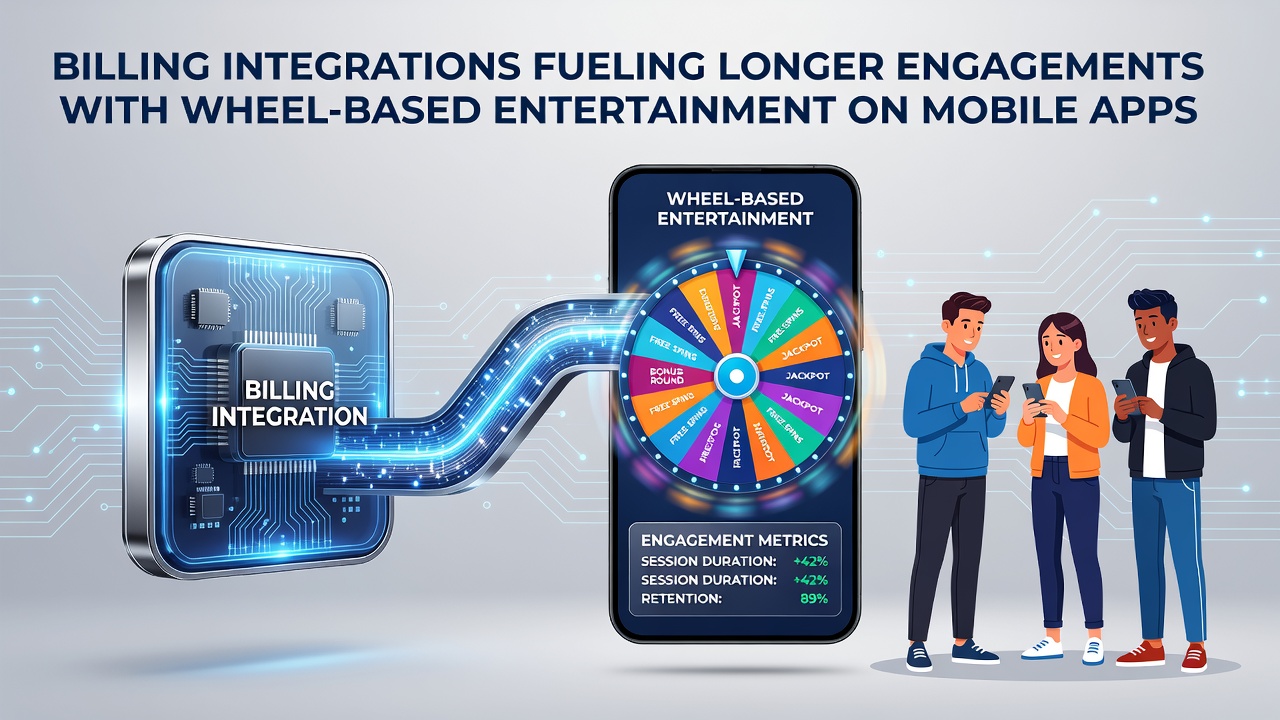
Seamless Payment Systems Prolong Interactions with Wheel Entertainment on Mobile Platforms
Developers have integrated advanced billing solutions directly into mobile applications featuring wheel-based games, and this approach has extended average user sessions across multiple markets. Systems that support instant deposits through carrier billing, digital wallets, and tokenized cards reduce friction at key moments, allowing players to continue without leaving the app environment. Observers note that wheel titles such as roulette variants and multiplier wheels benefit particularly because rounds complete quickly and encourage repeated participation.
Billing Mechanics That Support Extended Play
Payment processors embed APIs that handle micro-transactions in under two seconds, and this speed keeps momentum intact during wheel spins. When a user exhausts an initial balance, the interface presents pre-approved funding options without redirecting to external pages. Research from the European Mobile Payment Association indicates that session lengths increase by 28 percent on average when these pathways remain inside the app. Developers track metrics that show fewer drop-offs at deposit prompts, and the pattern holds across both iOS and Android builds released in recent years.
Tokenization stores payment credentials securely on device, which eliminates repeated entry of card details during a single session. In practice, this means a player can top up after a wheel lands on a low multiplier and resume immediately. Data from payment providers in Canada and Australia shows that users who enable one-tap authorization complete 1.7 times more rounds than those who rely on manual checkout flows. The same reports highlight that August 2026 updates to regional digital payment standards further streamlined these processes by requiring fewer confirmation steps for verified accounts.
Regional Patterns in Wheel Game Retention
European operators report that wheel-based titles retain users longer when billing integrates with local e-wallet services popular in each country. Australian platforms, by contrast, lean on carrier billing partnerships that charge directly to monthly phone plans. A study released by the University of Melbourne's Digital Economy Research Centre found that retention curves for wheel games flatten less steeply when payment options match regional preferences. Those findings align with usage data collected from apps that updated their billing layers in early 2025.
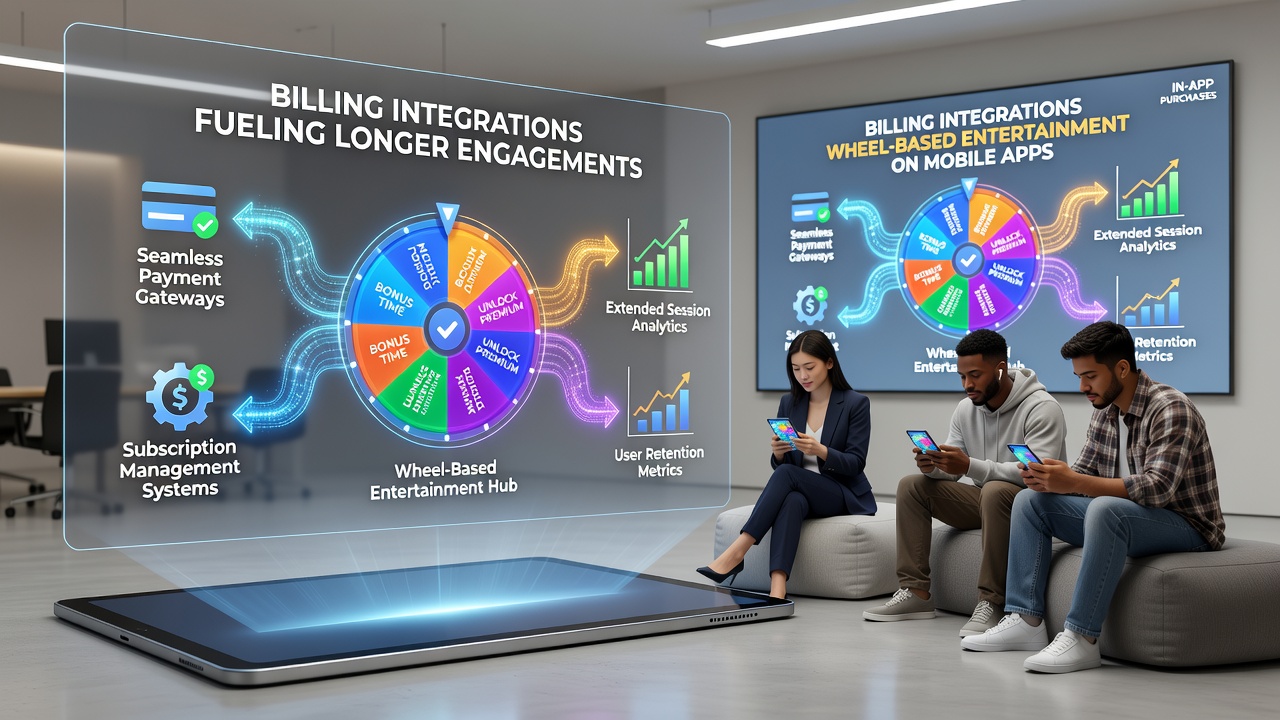
North American developers have adopted similar tactics, incorporating ACH transfers and buy-now-pay-later options that appear only after the wheel stops. These additions cater to users who prefer spreading smaller charges over time rather than single large deposits. Industry analysts from the North American Gaming Technology Alliance observe that such choices reduce session interruptions and support longer overall engagement windows, particularly during evening hours when mobile traffic peaks.
Technical Integration and Security Layers
Secure element chips inside modern smartphones allow billing requests to process without exposing full card numbers to the game server. Developers combine this hardware with risk-scoring algorithms that approve low-value transactions instantly while routing larger ones through additional verification. The result is a system that feels responsive yet remains compliant with evolving data protection rules across jurisdictions. When these layers function together, players experience fewer authentication prompts, and session data collected by analytics firms shows sustained activity over 45-minute intervals rather than the previous 20-minute average.
Case examples include platforms that introduced recurring billing toggles for wheel games, letting users set daily spending caps that renew automatically. Those who activate the feature tend to maintain consistent play patterns without manual intervention, according to aggregated telemetry shared at industry conferences. The approach also reduces chargeback rates because users control limits in advance rather than reacting after the fact.
Future Developments Expected by Late 2026
Payment networks continue testing account-to-account transfers that settle in real time, and wheel game operators plan to incorporate these rails once certification completes. Early pilots in select markets demonstrate further reductions in time between balance depletion and resumed play. Observers expect that by August 2026 these capabilities will appear in major app stores, provided regulatory reviews proceed on schedule. The combination of faster settlement and deeper in-app integration points toward even longer average engagement metrics for wheel entertainment titles.
Conclusion
Billing integrations have become central to how mobile wheel games maintain user attention across sessions. Faster authorization, regional payment alignment, and hardware-backed security each contribute measurable extensions to play duration. As standards evolve and new transfer methods reach certification, developers continue refining these connections to support uninterrupted experiences on smartphones worldwide.