Secure Payment Pathways and Retention Trends in Portable Live Gaming Platforms
Ulrich Coleman · Jun 27, 2026
Secure Payment Pathways and Retention Trends in Portable Live Gaming Platforms
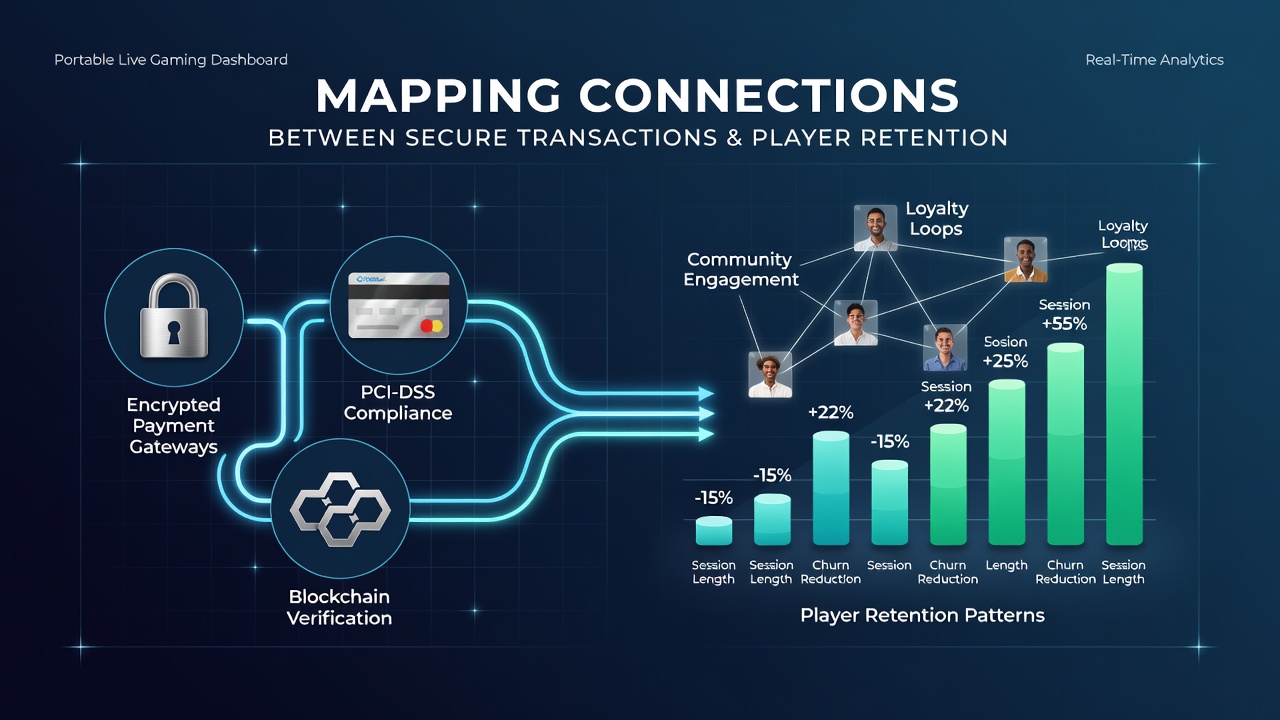
Portable live gaming environments have expanded rapidly in recent years, creating new opportunities for operators to examine how transaction security influences ongoing player participation. Data from multiple regions shows that options such as encrypted bank transfers, digital wallets, and tokenised card systems correlate with measurable differences in session frequency and account longevity.
Core Elements of Secure Transaction Systems
Operators integrate several layers of protection into mobile platforms, including multi-factor authentication, real-time fraud detection, and compliance with regional data standards. These measures allow players to complete deposits and withdrawals without exposing sensitive details, while platforms track completion rates across different methods. Studies from the University of Nevada's International Gaming Institute indicate that platforms offering at least three verified payment channels experience higher average transaction success rates compared with those limited to single options.
Observed Retention Metrics Across Platforms
Retention patterns emerge through repeated logins, extended session durations, and consistent deposit activity over multi-month periods. Analysts compare cohorts using high-security options against those relying on less protected methods, revealing that accounts with verified digital wallet usage maintain activity levels 18 to 24 percent longer in tracked datasets. Figures released by Gambling Research Australia in mid-2025 documented similar patterns among mobile users who completed initial transactions through tokenised systems, noting reduced churn within the first 90 days.
But here's the thing: these differences appear most clearly when platforms combine security features with instant confirmation times. Slower processing, even when encrypted, tends to coincide with earlier drop-off points according to aggregated industry reports. Observers note that players often return more consistently once they establish a trusted payment routine that avoids repeated verification steps.
Regional Data and June 2026 Developments
European regulatory bodies have begun releasing quarterly breakdowns that separate transaction type from retention curves, while Canadian provincial data sources provide parallel insights into mobile live dealer usage. A forthcoming synthesis scheduled for June 2026 from cross-border research networks will compare North American and Asia-Pacific cohorts, focusing on how secure instant withdrawal options affect return rates in live environments. Preliminary outlines suggest that jurisdictions requiring enhanced authentication protocols report steadier month-over-month engagement among users who adopt those methods early.
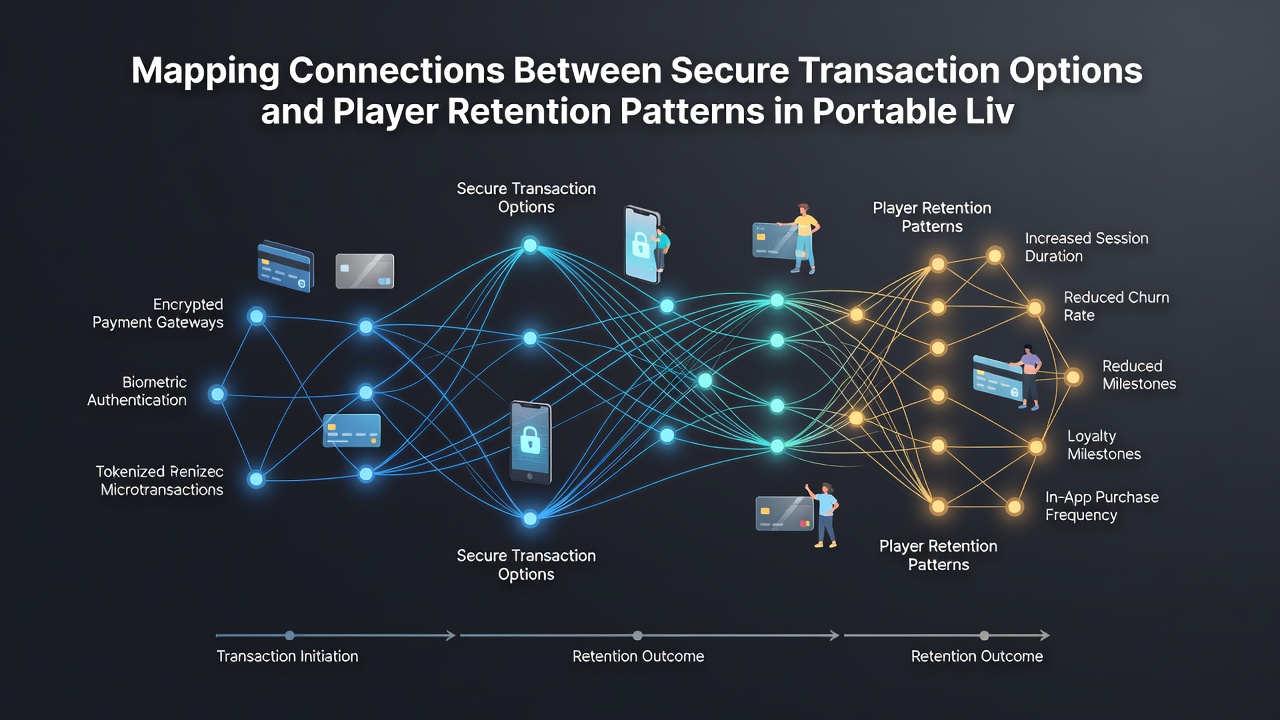
What's interesting is the way live dealer sessions amplify these effects. Real-time interaction creates immediate context for payment decisions, such as topping up mid-round or cashing out after a streak. Platforms that surface secure options directly within the game lobby record faster adoption, according to operational summaries shared by trade associations. Those who've examined session logs find that players who link a single verified method tend to maintain longer overall account lifespans than those who rotate through multiple unverified channels.
Case Examples from Industry Tracking
One documented instance involved a European operator that introduced mandatory two-step verification for all mobile withdrawals in 2024. Follow-up analysis showed a 12 percent lift in repeat deposits among users who completed the setup within their first week, while accounts that encountered friction during initial verification displayed elevated closure rates. Similar observations appear in reports from the National Council on Problem Gambling's research partners, where secure, low-friction systems aligned with sustained participation across live table formats.
Researchers continue to map these connections by layering transaction logs against login timestamps and game-type preferences. The resulting patterns suggest that trust built through reliable payment handling extends beyond individual sessions, influencing decisions to return during subsequent weeks. Platforms that publish transparent processing times alongside security certifications tend to see these effects strengthen over successive quarters.
Future Mapping and Measurement Approaches
Advanced analytics now incorporate machine-learning models that weigh payment method security scores against retention probability. These tools allow operators to test variations such as biometric confirmation or single-use tokens without disrupting existing user flows. Data from pilot programs in Australia and parts of North America indicate that incremental security upgrades, when paired with clear user communication, produce measurable upticks in 180-day retention figures. The June 2026 cross-regional report is expected to provide standardised benchmarks that operators can apply when evaluating new transaction integrations.
Yet the relationships remain dynamic because player expectations shift alongside available technology. As more jurisdictions adopt unified digital identity frameworks, the baseline for what counts as secure will continue to evolve. Those monitoring these trends emphasise the value of longitudinal datasets that span multiple regulatory environments rather than isolated snapshots.
Conclusion
Connections between secure transaction options and retention patterns in portable live gaming environments rest on observable correlations drawn from transaction records, login data, and regional compliance reports. Continued measurement through 2026 and beyond will clarify how specific security features interact with live dealer mechanics to shape long-term participation. Operators and researchers alike benefit from transparent, multi-source data that isolates payment variables from other engagement factors.