When Algorithms Meet the Wheel: Machine Learning Applications in British Roulette Lobbies
Olivia Koch · Sep 2, 2026
When Algorithms Meet the Wheel: Machine Learning Applications in British Roulette Lobbies
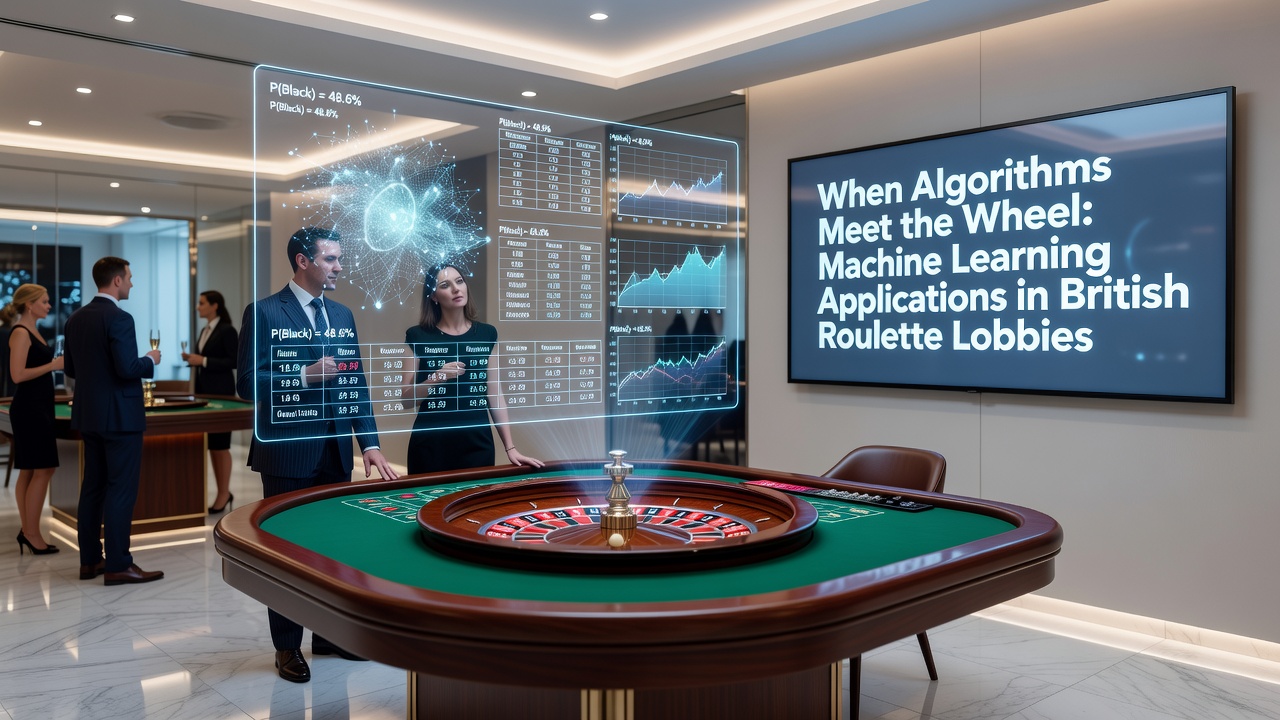
Operators across British online platforms have integrated machine learning systems into roulette lobbies to manage player data, detect irregularities, and refine operational processes, while the core randomness of the wheel remains unchanged. These systems process vast streams of spin results alongside betting patterns to identify deviations that might indicate technical faults or coordinated activity, and they do so without attempting to forecast individual outcomes since each spin stays independent under standard probability models.
Core Functions of Machine Learning in Roulette Environments
Researchers at institutions studying gaming technology note that algorithms sort through historical spin sequences to verify compliance with expected distribution curves, flagging any clusters that fall outside statistical norms established by regulatory testing protocols. This monitoring runs continuously in live dealer and RNG-based roulette rooms alike, allowing technical teams to intervene quickly when hardware sensors or software generators show drift, and the same frameworks track session lengths to support responsible play tools that alert operators when predefined thresholds appear in account activity.
Another application involves segmenting player groups based on observed behaviors such as bet size variation and session timing, which helps platforms adjust promotional structures without altering game mechanics. Data from European gaming associations indicates these models reduce manual review workloads by up to 40 percent in high-volume lobbies, since automated scoring systems prioritize accounts requiring human attention.
Anomaly Detection and Security Measures
Security teams rely on supervised learning models trained on labeled datasets of past incidents to separate routine play from suspicious sequences, including rapid-fire betting across multiple tables or synchronized patterns suggestive of automated scripts. When such signals trigger, the system can temporarily pause account functions or route the case to compliance staff for further examination, and this approach has become standard in many British-facing sites since the mid-2020s.
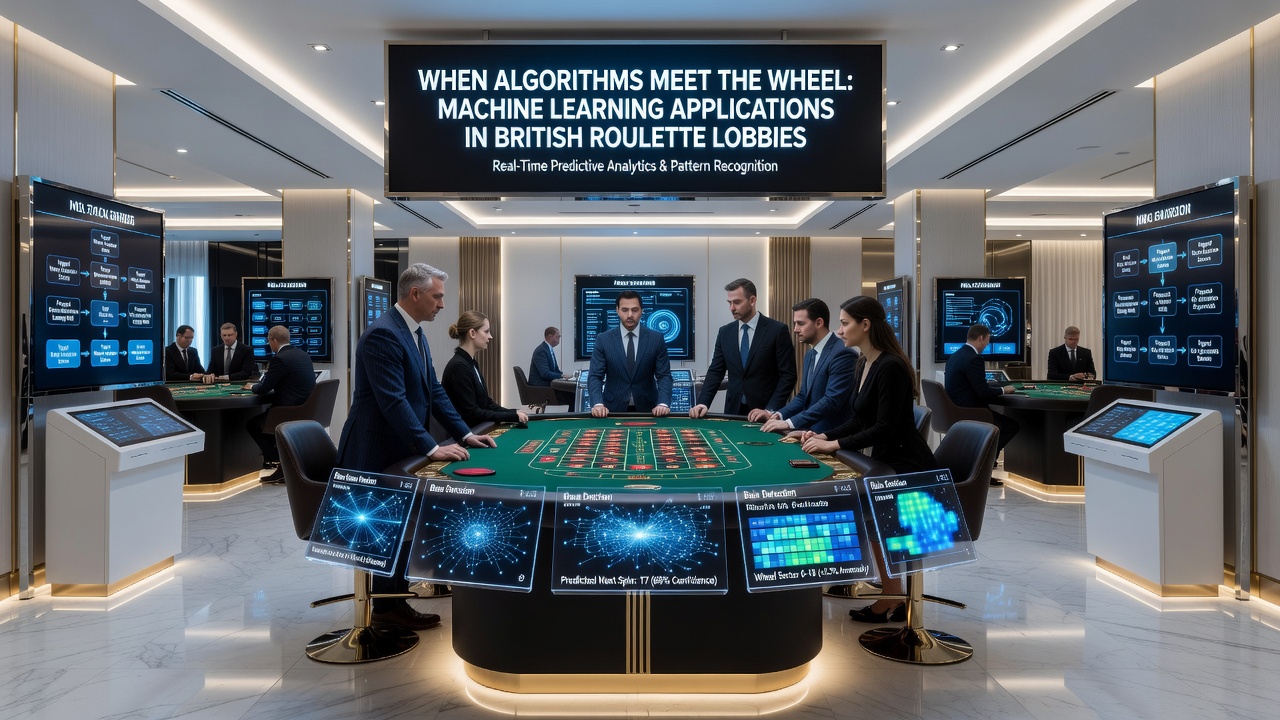
One documented case involved a network of accounts exhibiting identical timing intervals on even-money bets, prompting an investigation that revealed shared device fingerprints rather than legitimate group play. Observers from the Australian Gaming Council have highlighted similar deployments in other jurisdictions where machine learning reduced response times from days to minutes, demonstrating the technology's scalability beyond any single market.
Personalization Without Prediction
Recommendation engines analyze past game choices and deposit rhythms to surface relevant table limits or variant options, yet they stop short of influencing wheel outcomes or promising results. These engines draw on unsupervised clustering techniques to group similar user profiles, then deliver tailored interface elements such as preferred wheel speeds or side-bet visibility, all while maintaining separation between marketing functions and the random number generation process itself.
By September 2026, several operators plan expanded testing of reinforcement learning agents that simulate player journeys to optimize lobby layouts, according to preliminary reports shared at international gaming conferences. These simulations run on anonymized aggregates rather than individual records, preserving privacy standards required under data protection frameworks across multiple regions.
Integration with Broader Platform Systems
Machine learning pipelines connect directly to payment gateways and customer support queues, enabling real-time risk scoring that influences deposit limits or triggers verification prompts when velocity metrics exceed baseline thresholds. This interconnected setup means a single flagged roulette session can cascade across an account's other activities, prompting coordinated responses from finance and compliance departments without requiring separate manual checks for each department.
Industry reports from the European Gaming and Betting Association detail how such unified systems have lowered dispute resolution costs by streamlining evidence collection, since every algorithmic decision carries logged inputs and confidence scores that auditors can review later.
Conclusion
Machine learning applications in British roulette lobbies center on verification, security, and operational efficiency rather than outcome manipulation, reflecting the fundamental constraints of chance-based games. As platforms continue refining these tools through 2026 and beyond, the emphasis remains on transparent data handling and adherence to established testing standards, ensuring the wheel's integrity stays intact while surrounding processes gain precision from algorithmic support.